Best Hair Skin and Nail Vitamins: Evidence-Based Rankings 2026
We rank the most important vitamins and minerals for hair, skin, and nail health based on clinical evidence — not marketing claims. Learn what works, what doesn't, and how to choose wisely.
Choosing a hair, skin, and nail supplement can feel overwhelming. Pharmacy shelves are packed with options, all making similar promises. But when you look at the clinical evidence, the picture becomes clearer — and more nuanced than most marketing suggests.
This guide ranks the most important nutrients for hair, skin, and nail health based on published research, not hype. We'll tell you what works, what doesn't, and what to look for on a supplement label.
Key Takeaways
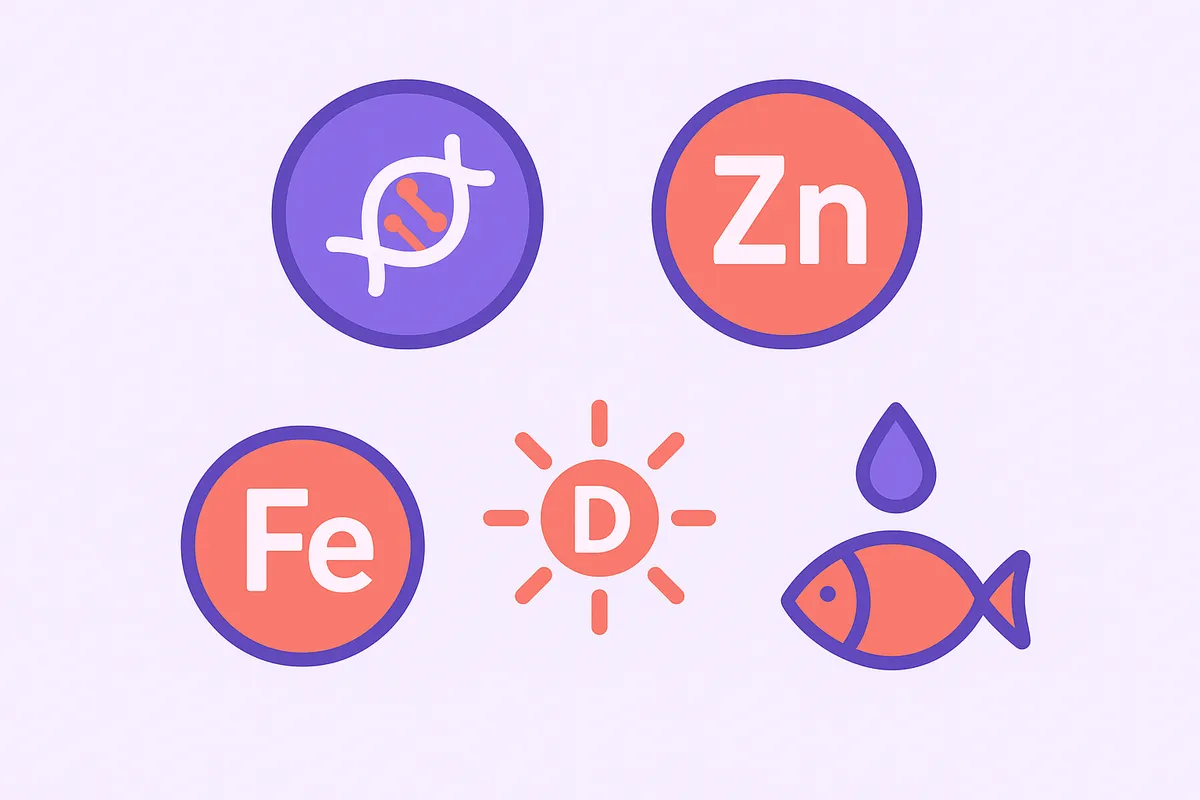
Iron, zinc, and vitamin D deficiencies directly cause hair and nail problems — fix these first
Biotin only helps if you're deficient, which is rare in people eating a varied diet
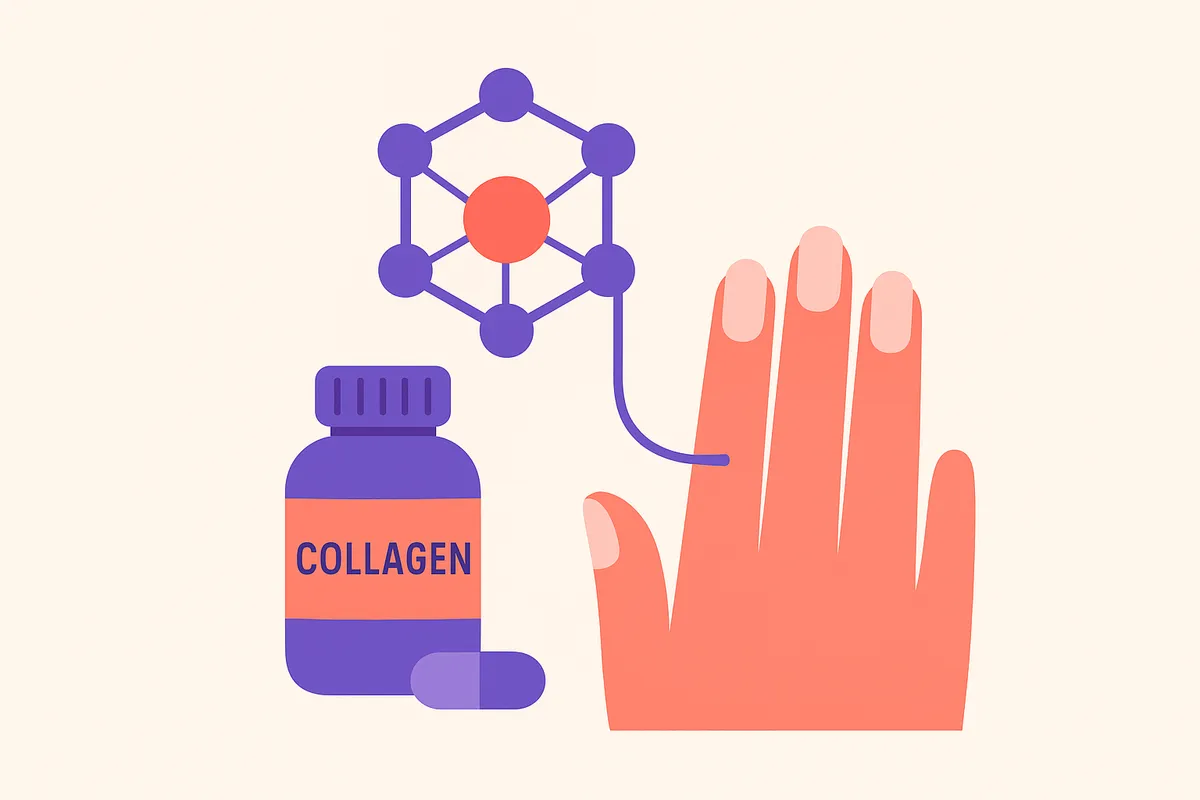
Collagen peptides have strong clinical evidence for nails (42% less breakage in trials)
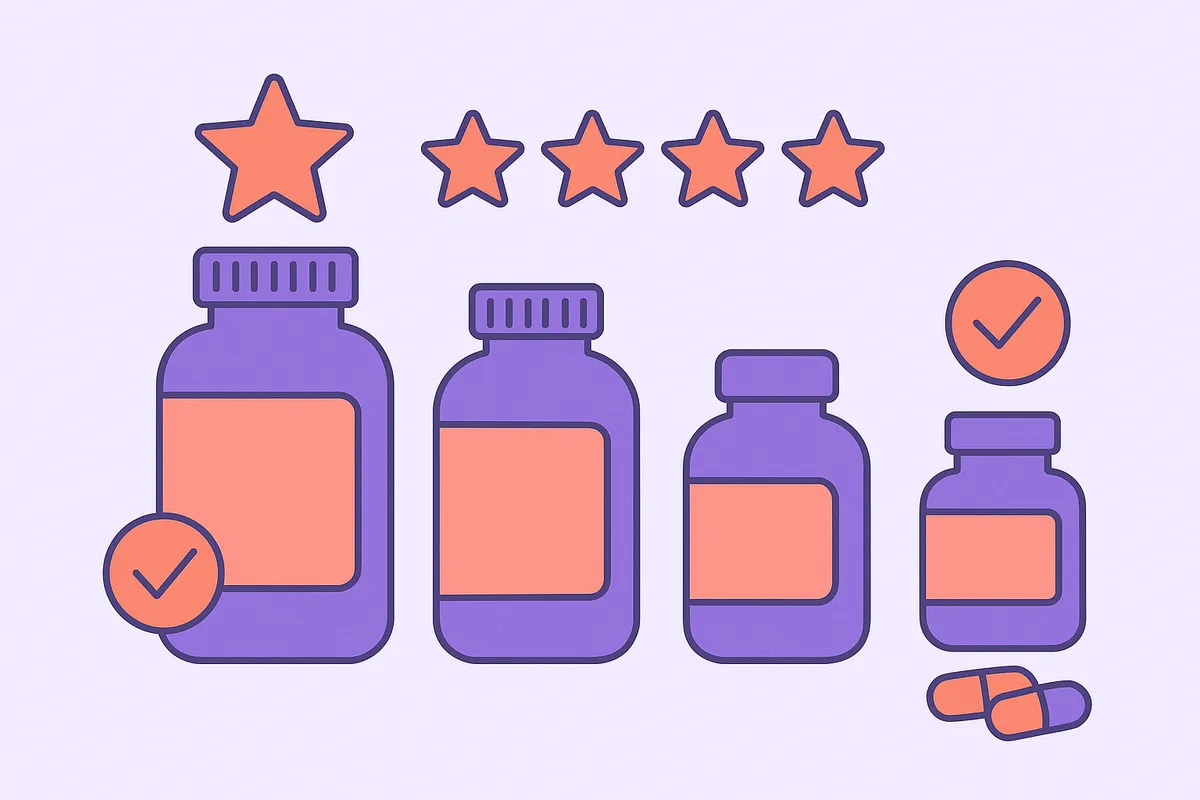
Third-party testing (NSF, USP) is the most reliable quality indicator — not price
The most effective strategy: get blood work, fix deficiencies, then consider general support
Who Should Read This
Anyone shopping for hair, skin, and nail supplements and overwhelmed by options. This guide helps you cut through marketing to find what actually works based on clinical evidence.
The Evidence Hierarchy: What Actually Works
Not all "hair and nail vitamins" are created equal. Here's how the evidence stacks up:
Evidence Level
Nutrients
What Studies Show
Strong
Iron, Zinc, Vitamin D
Deficiency directly causes hair loss and nail changes; supplementation reverses symptoms
Moderate
Biotin, Collagen, Omega-3
Clinical trials show improvements, but mostly in deficient populations
Limited
Keratin, Silica, MSM
Small studies or traditional use; more research needed
Insufficient
Hyaluronic acid, Probiotics
Emerging research, no strong clinical data for hair/nails specifically
Tier 1: Address Deficiencies First
Iron
The most under-diagnosed cause of hair loss in women. Ferritin levels below 30 ng/mL are strongly associated with telogen effluvium. Before buying any supplement, get your ferritin checked. If it's low, iron alone may solve your hair problem.
Zinc
Essential for keratin synthesis. Deficiency causes white spots on nails, hair shedding, and slow wound healing. RDA is 8mg for women, 11mg for men. Most multivitamins cover this.
Vitamin D
Over 40% of US adults are insufficient. Deficiency is associated with alopecia areata and telogen effluvium. Target serum levels of 40-60 ng/mL. Supplement with 1,000-4,000 IU daily based on your levels.
Wondering if a deficiency is affecting your nails?
Take our 2-minute Nail Health Quiz for a personalized assessment and supplement recommendations.
The most marketed hair/nail supplement — but here's the reality: there's no evidence biotin helps if you're not deficient, and true deficiency is rare. When it works, it works well: 91% improvement in brittle nails at 2.5mg daily. But if your biotin levels are normal, extra won't help.
Watch out for: Acne breakouts and lab test interference at high doses.
Collagen Peptides
Possibly the most interesting supplement in this category. A clinical trial showed 42% reduction in nail breakage and 12% increased growth rate at just 2.5g daily over 24 weeks. Unlike biotin, collagen doesn't have the acne or lab test issues.
Omega-3 Fatty Acids
Anti-inflammatory benefits support scalp health. A 6-month study found women taking omega-3 plus antioxidants had reduced hair loss and improved density. Also benefits skin hydration and cardiovascular health.
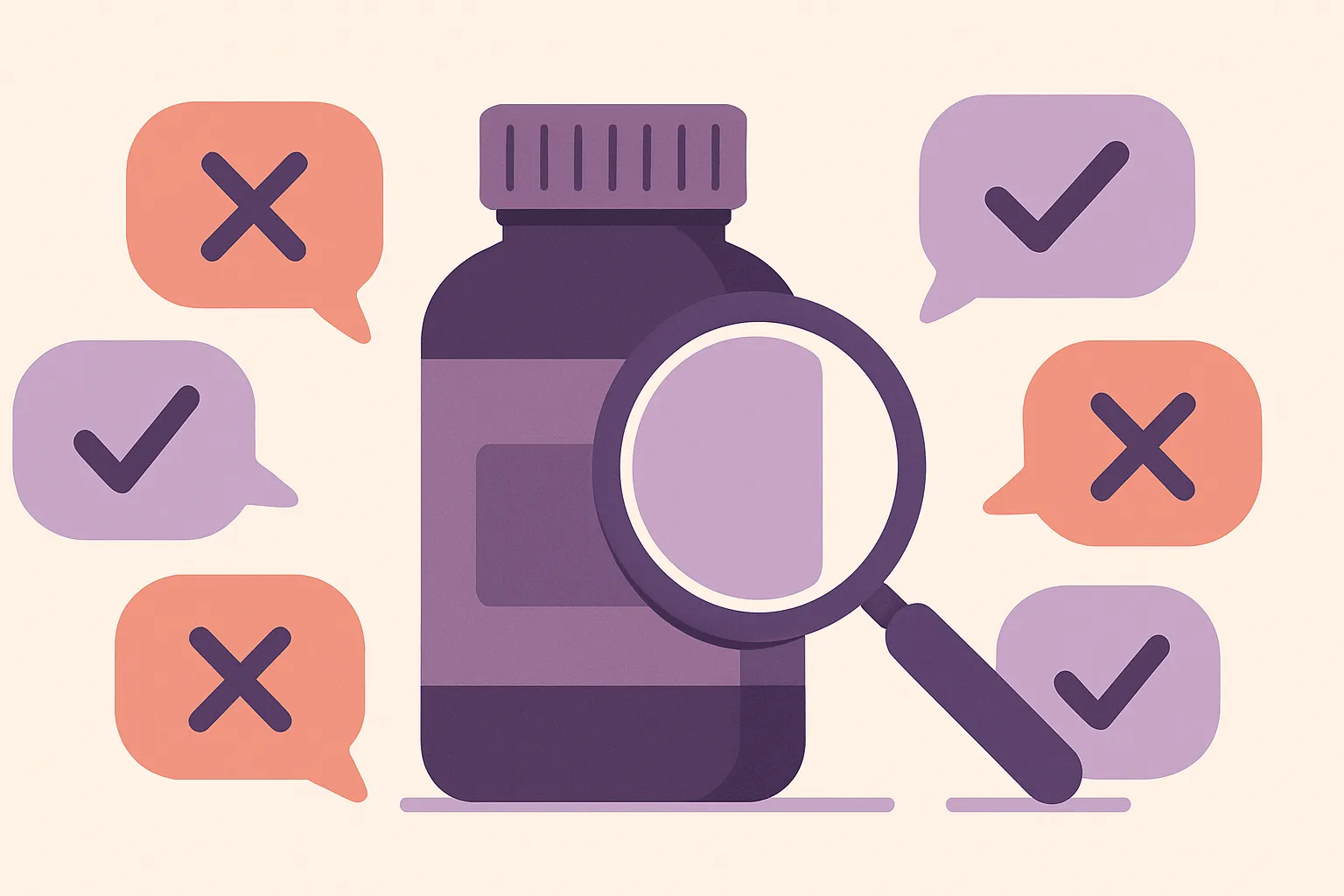
What to Look For on the Label
Third-party testing — NSF, USP, or ConsumerLab certification
Active forms — Methylfolate (not folic acid), D3 (not D2), iron bisglycinate (not ferrous sulfate)
Realistic doses — Avoid megadoses that exceed 300% DV
Transparency — Full ingredient disclosure with amounts, not "proprietary blends"
What to Avoid
Proprietary blends that hide individual ingredient amounts
Mega-dose biotin (10,000+ mcg) without medical guidance
Products with claims like "cure," "eliminate," or "guaranteed results"
Added sugars — gummy vitamins often contain 3-8g sugar per serving
The Smart Strategy
The most effective approach isn't buying the most expensive supplement. It's this:
Get blood work (ferritin, zinc, vitamin D, thyroid, B12)
Fix actual deficiencies with targeted supplements
If no deficiencies, consider collagen peptides or a quality multi
Give it 3-6 months before evaluating results
Retest levels to confirm improvement
This article is for educational purposes only. Consult with a healthcare provider before starting any supplement regimen.
Frequently Asked Questions
Are hair, skin, and nail vitamins worth it?
They can be — if you have an actual deficiency. For people with adequate nutrient levels, most supplements won't produce noticeable improvement. The exception is collagen peptides, which showed nail benefits even in non-deficient participants. Get blood work first to determine if supplementation makes sense for you.
What's the #1 vitamin for hair and nails?
There isn't one universal answer. If you're deficient in iron (most common cause of hair loss in women), iron is the most impactful. For nails specifically, biotin at 2,500mcg has the most clinical trials. For a general "one supplement" approach, collagen peptides are well-tolerated with good evidence.
Do gummy vitamins work as well as pills?
Generally no. Gummy vitamins often contain added sugar, may have lower nutrient doses, and fail quality testing more frequently than capsules. If gummies are the only form you'll take consistently, they're better than nothing — but capsules or tablets are superior.
The Bottom Line: Skip the marketing hype. Get blood work (ferritin, zinc, vitamin D, thyroid), fix any deficiencies with targeted supplements, and if you want general nail support, collagen peptides have the best risk-to-benefit ratio. Price doesn't equal quality — look for third-party testing instead.
This article was medically reviewed for accuracy and completeness. Last updated: January 2026.
Disclaimer:This article is for informational purposes only and does not constitute medical advice. Always consult with a qualified healthcare provider before starting any supplement regimen.
Written by Rachel Kim & reviewed by Dr. James Whitfield
Not sure which supplement is right for you?
Take our 2-minute Vitamin Finder quiz and get personalized recommendations based on your profile.