Beyond Biotin: 5 Evidence-Based Alternatives for Nail & Hair Health
Biotin gets all the attention, but other nutrients have stronger clinical evidence for hair and nail health. Explore collagen, iron, zinc, vitamin D, and omega-3s — with dosages and study data.
Biotin has dominated the hair and nail supplement market for years. Walk into any pharmacy, and you'll find dozens of biotin products promising stronger nails and thicker hair.
But here's what the research actually shows: biotin supplementation has limited evidence for people who aren't deficient [4, 7]. True biotin deficiency is rare in people eating a varied diet. And high-dose biotin comes with real downsides — from acne breakouts to lab test interference.
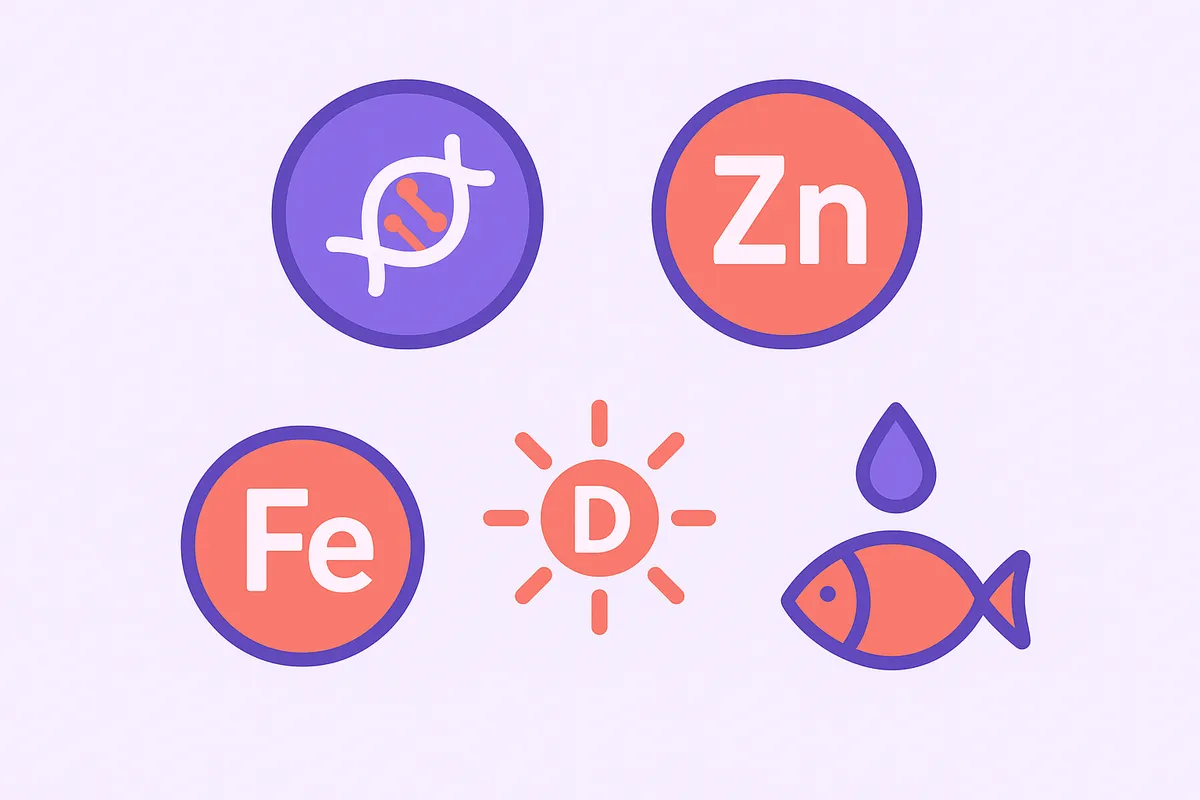
The good news? Several other nutrients have equal or stronger clinical evidence for hair and nail health. Here are five worth knowing about.
Key Takeaways
Biotin only helps if you're deficient — and true deficiency is rare
Collagen peptides have the strongest clinical trial data for nails (42% less breakage)
Iron deficiency is the #1 nutritional cause of hair loss in women — and it's testable
Vitamin D deficiency affects 42% of US adults and is linked to hair loss
The smartest strategy: test blood levels first, then supplement what's actually low
Who Should Read This
Anyone taking biotin without seeing results, people experiencing side effects from biotin (acne, lab test concerns), or anyone looking for evidence-based alternatives for hair and nail support.
1. Collagen Peptides
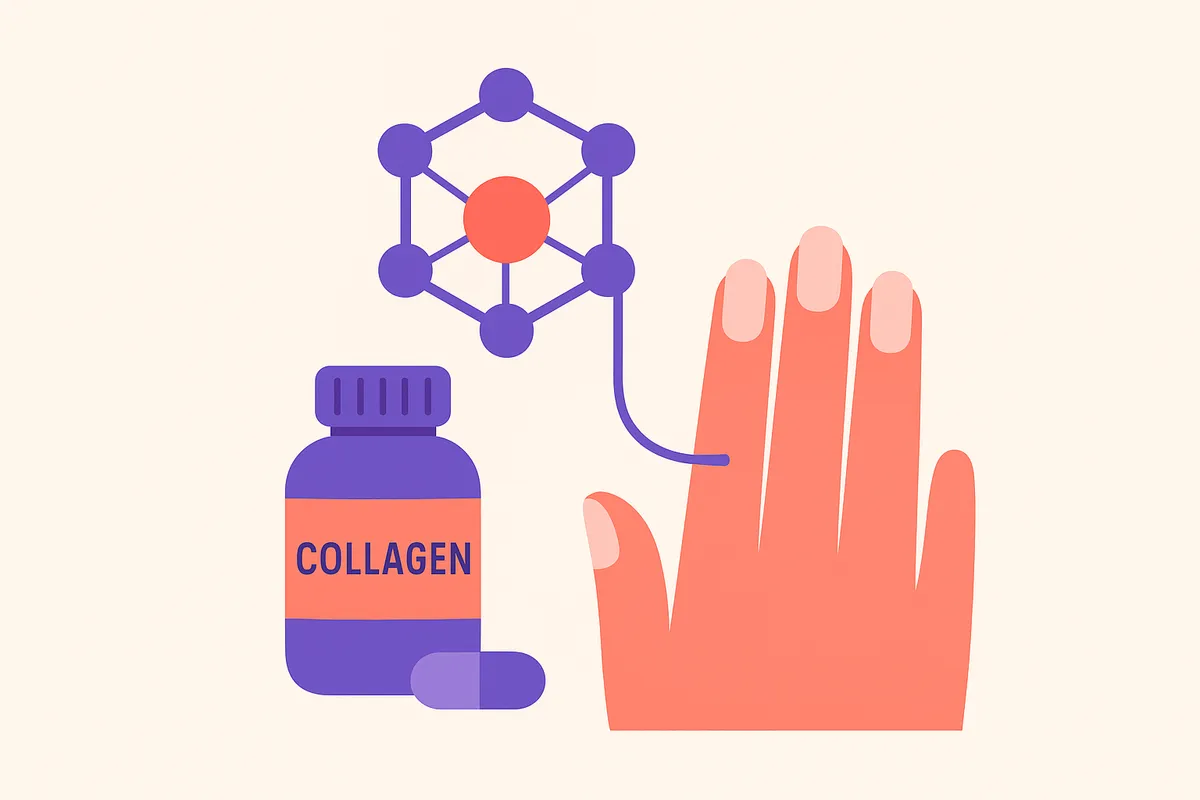
The evidence: A 2017 clinical trial is the standout study. Participants taking 2.5g of bioactive collagen peptides daily for 24 weeks saw a 12% increase in nail growth rate and a 42% reduction in broken nails. 64% achieved global clinical improvement, and benefits persisted 4 weeks after stopping [1].
How it works: Hydrolyzed collagen provides amino acids (proline, glycine, hydroxyproline) that serve as building blocks for keratin — the structural protein of hair and nails. These aren't delivered directly to your nails, but they increase the available pool of amino acids your body uses for keratin synthesis.
Dosage: 2,500-5,000 mg daily of hydrolyzed collagen types I and III. Can be mixed into coffee, smoothies, or water — flavor is typically neutral.
Advantage over biotin: No acne risk, no lab test interference, and additional benefits for skin elasticity and joint health. The clinical trial used a very accessible dose (2.5g) and showed measurable results.
Limitation: Only one nail-specific clinical trial, no placebo control in that study, and the specific product tested (VERISOL) may not represent all collagen supplements equally.
2. Iron (Ferritin)
The evidence: A 2022 systematic review and meta-analysis confirmed a significant association between iron deficiency and nonscarring alopecia in women [2]. Studies consistently show that women with telogen effluvium have lower ferritin levels, with a threshold of ≤30 ng/mL strongly associated with increased hair shedding [5]. The odds ratio for diffuse hair loss at ferritin ≤30 ng/mL is 21.0 — an extremely strong association.
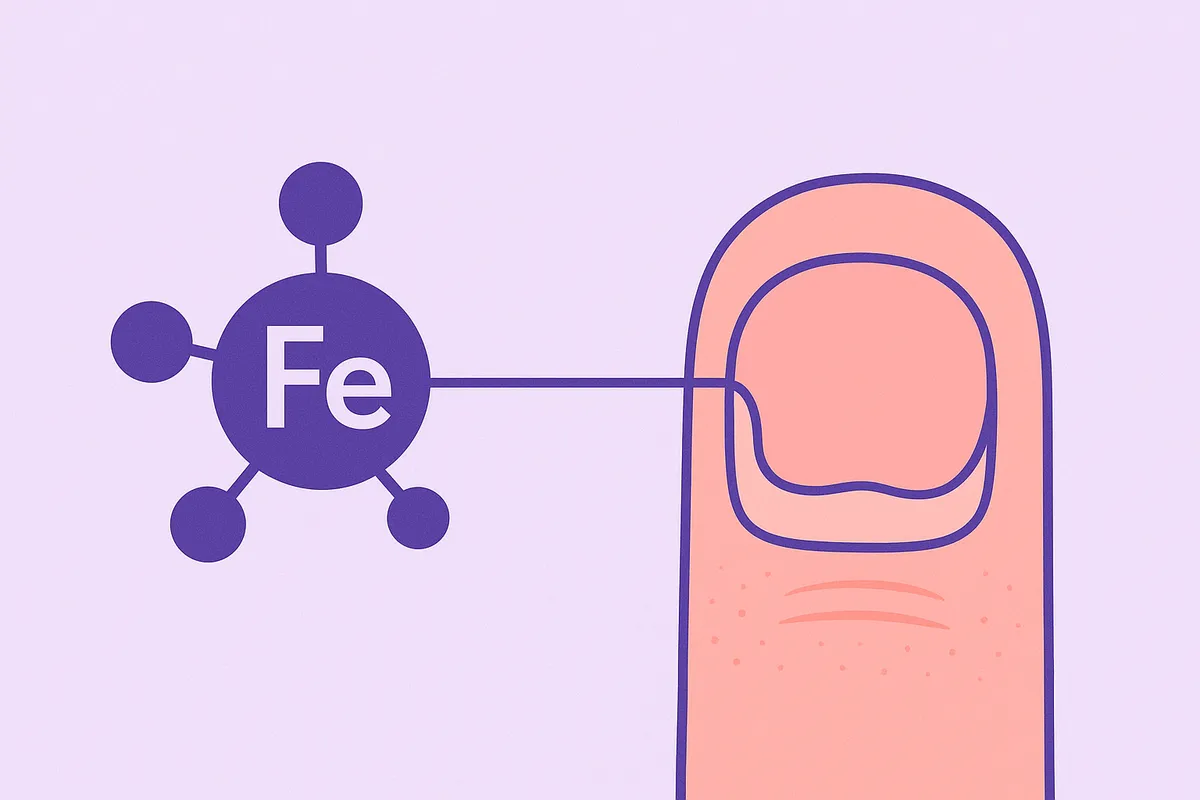
How it works: Iron is essential for hemoglobin production, which carries oxygen to hair follicles. Without adequate oxygen delivery, follicles can prematurely enter the resting (telogen) phase. Iron is also a cofactor in enzymes involved in DNA synthesis for rapidly dividing follicle cells.
Dosage: Only supplement if ferritin is confirmed low via blood test. Iron bisglycinate (chelated iron), 18-27mg elemental iron daily. Take with vitamin C (100-200mg) to boost absorption 2-3x. Avoid taking with calcium, coffee, or tea.
Advantage over biotin: Addresses a proven, measurable deficiency that directly causes hair loss. Blood tests can confirm whether you'll benefit before you spend money. When iron is the issue, correcting it produces clear, measurable improvement.
Who's most at risk: Women with heavy periods, vegetarians/vegans, postpartum women, endurance athletes, people with GI conditions affecting absorption.
Wondering if a deficiency is affecting your nails?
Take our 2-minute Nail Health Quiz for a personalized assessment and supplement recommendations.
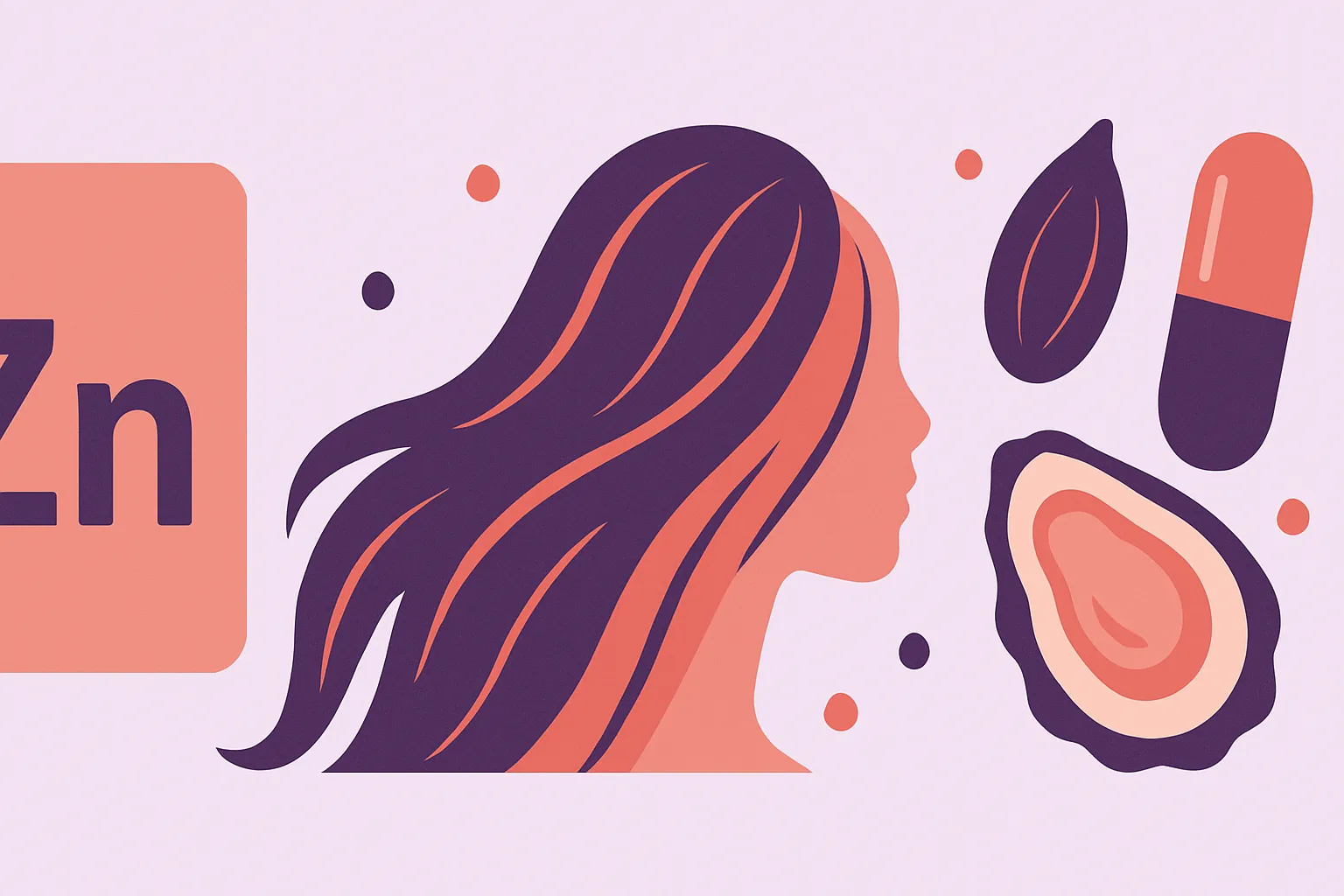
The evidence: Zinc deficiency is well-documented as a cause of hair loss and nail changes. A study found that 44% of alopecia areata patients were zinc deficient compared to 12.5% of controls. Oral zinc supplementation (50mg gluconate daily for 12 weeks) led to significant improvement in zinc-deficient hair loss patients. Zinc plays a critical role in keratin synthesis and cell division in the nail matrix [4].
How it works: Zinc is a cofactor in over 300 enzymatic reactions, many of which are involved in protein synthesis and cell division in rapidly growing tissues like hair follicles and nail matrix. It also has mild 5-alpha reductase inhibitory activity, which may provide additional benefit in androgenetic alopecia.
Dosage: 15-30mg daily (zinc picolinate or zinc bisglycinate for better absorption). Only supplement if deficient or at risk — excess zinc above 40mg daily interferes with copper absorption and can paradoxically cause hair loss.
Advantage over biotin: Directly addresses a common deficiency with well-documented nail and hair effects. Testable via serum zinc. Relatively inexpensive.
Who's most at risk: Vegetarians/vegans (phytates in plant foods reduce zinc absorption), pregnant/breastfeeding women, older adults, people with GI conditions.
4. Vitamin D
The evidence: A systematic review found that patients with alopecia areata had 3.89x higher odds of vitamin D deficiency compared to controls, with approximately 74% of patients being deficient [3]. Over 50% of patients with various forms of hair loss were found to be vitamin D deficient [6]. Vitamin D receptors are present in hair follicles and are essential for the hair growth cycle. Supplementation led to complete hair regrowth in about 27% of deficient patients with alopecia areata.
How it works: Vitamin D regulates keratinocyte proliferation and differentiation, and plays a role in the hair follicle cycle. Deficiency disrupts the anagen (growth) phase. Vitamin D also modulates the immune environment around follicles, which is relevant in autoimmune hair loss.
Dosage: 1,000-4,000 IU daily, depending on current levels. Choose D3 (cholecalciferol), not D2. Take with a fat-containing meal. Target serum 25(OH)D of 40-60 ng/mL.
Advantage over biotin: Measurable via simple blood test. Addresses a widespread deficiency (estimated 42% of US adults are vitamin D insufficient). Benefits extend far beyond hair — bone health, immune function, mood. Nearly impossible to get adequate vitamin D from diet alone in northern latitudes.
5. Omega-3 Fatty Acids
The evidence: While not as heavily studied specifically for nails, omega-3 fatty acids (EPA and DHA) have demonstrated anti-inflammatory effects that support scalp health and may reduce inflammation-driven hair loss. A 6-month randomized study found that women taking omega-3 and omega-6 supplements alongside antioxidants experienced reduced hair loss and improved hair density compared to controls.
How it works: Omega-3s reduce systemic inflammation, support cell membrane integrity in hair follicles, and may improve blood flow to the scalp. They also support the lipid barrier of the nail plate, potentially reducing brittleness.
Dosage: 1,000-2,000mg combined EPA/DHA daily from fish oil or algal sources (for vegans). Take with the largest meal to improve absorption and reduce GI side effects.
Advantage over biotin: Anti-inflammatory benefits, cardiovascular support, mood benefits (relevant for postpartum women), and potential skin hydration improvements — broader health impact with no acne or lab test risks.
The Smart Approach: Test, Don't Guess
Before spending money on any supplement, the most effective strategy is:
Identify actual deficiencies — not every nutrient issue applies to you
Supplement targeted — address what's actually low, at evidence-based doses
Reassess in 3-6 months — recheck levels and evaluate progress
Don't stack blindly — taking 5 supplements "just in case" is expensive, potentially interactive, and rarely necessary
This approach is more effective, safer, and often cheaper than taking a handful of supplements based on marketing claims.
Frequently Asked Questions
Should I stop biotin entirely?
Not necessarily. If you have confirmed brittle nails and no acne issues, biotin at 2,500 mcg remains a reasonable option. The point is that it shouldn't be your first or only choice, and mega-doses (10,000 mcg) aren't better.
Can I take multiple alternatives together?
Yes, but be strategic. Iron and zinc compete for absorption — separate by 2 hours. Collagen + vitamin D + omega-3 can all be taken together. A basic combination for most women: prenatal or multivitamin + vitamin D + collagen peptides covers a lot of ground.
How long before I see results?
Fingernails: 3-6 months. Hair: 4-8 months. These timelines reflect the biology of growth cycles — supplements that work do so gradually. Anything claiming visible results in 2 weeks is not being honest.
What if blood work shows no deficiencies?
If your levels are all optimal and you're still experiencing hair or nail issues, the cause may be non-nutritional: hormonal (thyroid, androgens), autoimmune, stress-related, or mechanical (heat damage, tight hairstyles, chemical exposure). See a dermatologist for evaluation.
The Bottom Line: Biotin is overhyped for people with normal levels. The strongest evidence-based approach is to test your blood (ferritin, zinc, vitamin D), fix what's actually deficient, and consider collagen peptides as a well-tolerated general nail support. This targeted strategy is more effective and safer than mega-dosing any single nutrient.
This article was medically reviewed for accuracy and completeness. Last updated: January 2026.
Disclaimer:This article is for informational purposes only and does not constitute medical advice. Always consult with a qualified healthcare provider before starting any supplement regimen.
Written by Rachel Kim & reviewed by Dr. Marcus Chen
Not sure which supplement is right for you?
Take our 2-minute Vitamin Finder quiz and get personalized recommendations based on your profile.