Zinc for Hair Growth: How Much You Need and Why It Matters
Zinc deficiency is found in 44% of alopecia areata patients. Learn how zinc affects hair follicles, the right dose, best supplement forms, and when testing makes sense.
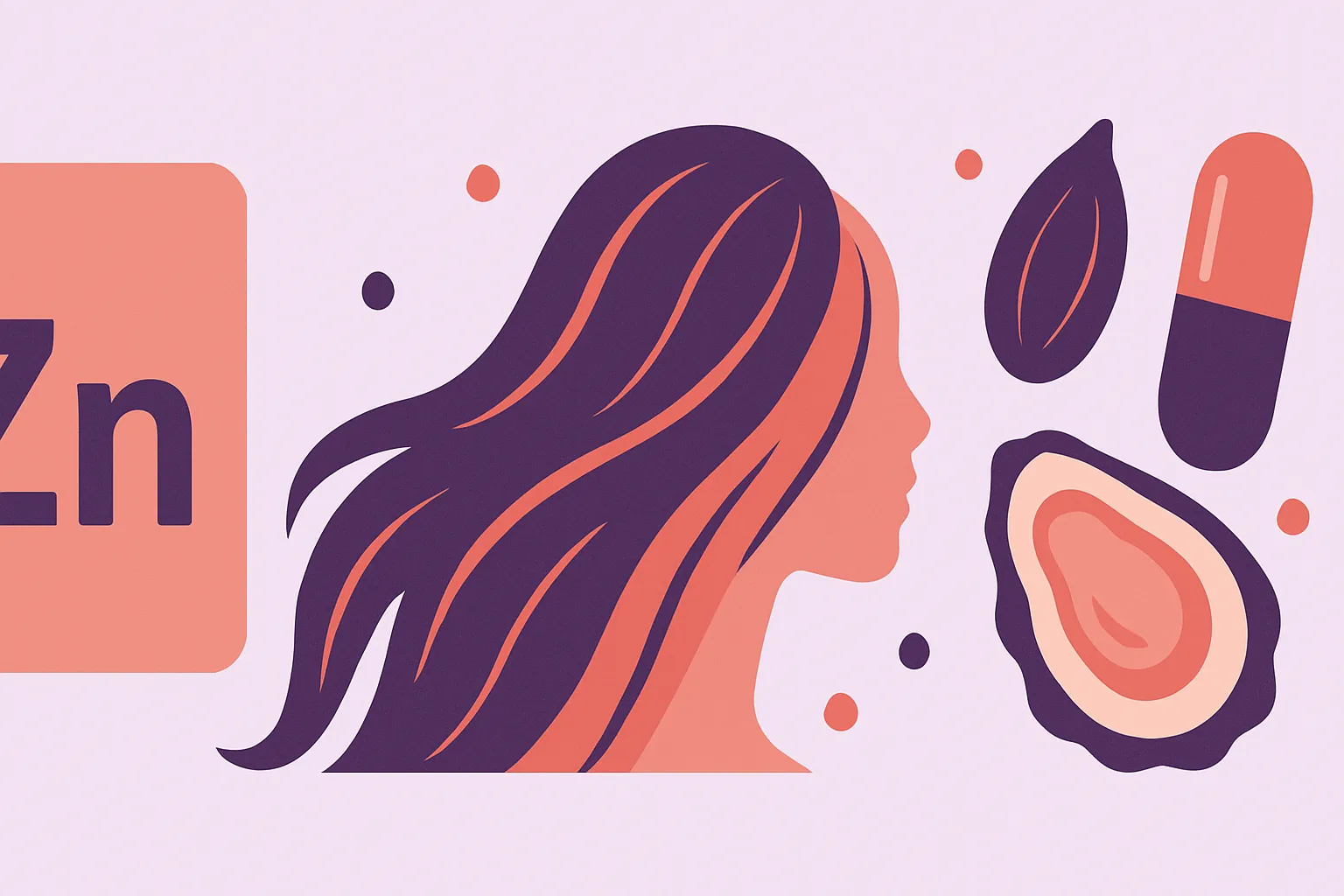
Zinc doesn't get the marketing buzz that biotin does, but the clinical evidence for its role in hair health is arguably stronger — particularly when it comes to actual deficiency-related hair loss.
This mineral is involved in over 300 enzymatic reactions in your body, many of which directly affect hair follicle function. Here's what the research says about zinc, hair growth, and whether supplementation is right for you.
Key Takeaways
44% of alopecia areata patients are zinc deficient vs. only 12.5% of healthy controls
Zinc supplementation cured or improved hair loss in all 5 patients in a telogen effluvium case series
RDA is 8mg (women) / 11mg (men) — but therapeutic doses for deficiency are 30-50mg
Best forms: zinc picolinate or bisglycinate. Avoid zinc oxide (poor absorption)
Zinc plays several critical roles in hair follicle biology:
DNA and RNA synthesis — hair follicle matrix cells are among the fastest-dividing cells in the body, making them heavily dependent on zinc for DNA replication
Keratin synthesis — zinc is a cofactor in enzymes that build the protein structure of hair
Hair follicle regression prevention — zinc inhibits endonuclease activity that triggers the catagen (regression) phase
Sebaceous gland regulation — proper zinc levels help control oil production on the scalp
Immune function — zinc supports the immune environment around the follicle
The Evidence: Zinc Deficiency and Hair Loss
Alopecia Areata
A study found that 43.8% of alopecia areata patients had zinc deficiency compared to only 12.5% of healthy controls. After 12 weeks of zinc gluconate supplementation (50mg/day), serum zinc levels increased significantly and clinical improvement was observed.
Telogen Effluvium
A case series showed that 5 patients with zinc deficiency-related telogen effluvium all experienced cure or improvement after oral zinc supplementation. Hair shedding resolved within 3-6 months.
Androgenetic Alopecia
Women with androgenetic alopecia showed significantly lower serum zinc levels compared to controls. However, the relationship is complex — zinc's 5-alpha reductase inhibiting properties may provide benefit beyond simple deficiency correction.
Who's at Risk for Zinc Deficiency?
Vegetarians and vegans — plant-based zinc has lower bioavailability due to phytates
Pregnant and breastfeeding women — increased demands
People with GI conditions — Crohn's, celiac, short bowel syndrome
Older adults — reduced absorption with age
Heavy alcohol users — alcohol impairs zinc absorption and increases excretion
Athletes — zinc loss through sweat
Wondering if a deficiency is affecting your nails?
Take our 2-minute Nail Health Quiz for a personalized assessment and supplement recommendations.
For hair loss treatment (if deficient): Studies used 50mg zinc gluconate daily for 12 weeks, then reduced to maintenance. However, doses above 40mg should be medically supervised.
Best Forms of Zinc Supplements
Zinc picolinate — highest absorption rate (~20%)
Zinc bisglycinate — well-absorbed, gentle on stomach
Zinc gluconate — most commonly used in clinical studies
Zinc oxide — poorest absorption, avoid for supplementation
Copper deficiency — zinc competes with copper for absorption, potentially causing anemia
Immune suppression — paradoxically, too much zinc impairs immunity
GI distress — nausea, cramping, diarrhea
Test before supplementing. A serum zinc test can confirm deficiency. Normal range: 60-120 mcg/dL.
Zinc-Rich Foods
Food
Zinc (per serving)
Oysters (3 oz)
74 mg
Beef chuck (3 oz)
7 mg
Crab (3 oz)
6.5 mg
Pumpkin seeds (1 oz)
2.2 mg
Chickpeas (1 cup)
2.5 mg
Cashews (1 oz)
1.6 mg
Dark chocolate (1 oz)
0.9 mg
This article is for educational purposes only. Consult a healthcare provider before supplementing with zinc, especially at doses above 15mg.
Frequently Asked Questions
How do I know if I'm zinc deficient?
A serum zinc test (normal range: 60-120 mcg/dL) can confirm deficiency. However, serum zinc doesn't always reflect tissue stores accurately. If you're in a high-risk group (vegetarian, pregnant, GI conditions) and have symptoms (hair shedding, white nail spots, slow wound healing), a therapeutic trial of zinc supplementation is reasonable even with borderline levels.
Can zinc cause hair loss?
Paradoxically, yes — excess zinc can cause hair loss by depleting copper, which is also essential for hair health. This is why doses above 40mg daily require medical supervision and ideally copper monitoring. More is definitely not better with zinc.
Zinc vs biotin for hair — which is better?
It depends on what's causing your hair loss. If you're zinc deficient, zinc will help and biotin won't (and vice versa). The key difference: zinc deficiency is testable and relatively common, while biotin deficiency is rare. Testing zinc levels first gives you actionable information.
What foods are highest in zinc?
Oysters are the undisputed champion at 74mg per 3oz serving — more than 6x the daily requirement. For everyday eating, beef (7mg/3oz), crab (6.5mg/3oz), pumpkin seeds (2.2mg/oz), and chickpeas (2.5mg/cup) are excellent sources. Pairing plant-based zinc sources with protein improves absorption.
The Bottom Line: Zinc is a legitimate, evidence-backed nutrient for hair health — particularly when deficiency is present. Get tested if you're at risk, supplement at 15-30mg daily if deficient, choose picolinate or bisglycinate forms, and don't exceed 40mg without supervision. It's less hyped than biotin but arguably more impactful when it's actually the problem.
This article was medically reviewed for accuracy and completeness. Last updated: January 2026.
Disclaimer:This article is for informational purposes only and does not constitute medical advice. Always consult with a qualified healthcare provider before starting any supplement regimen.
Written by Rachel Kim & reviewed by Dr. Marcus Chen
Not sure which supplement is right for you?
Take our 2-minute Vitamin Finder quiz and get personalized recommendations based on your profile.