Diabetic Nail Care: A Complete Guide to Protecting Your Nails
Diabetes increases nail fungus risk by 2-3x and can lead to foot ulcers. Learn the daily care routine, treatment options, and warning signs every diabetic patient should know.
If you have diabetes, your nails deserve more attention than most people realize. Nail fungus is significantly more common in diabetic patients — and the complications can be far more serious, from secondary bacterial infections to foot ulcers.
This guide covers everything diabetic patients need to know about protecting their nails, recognizing warning signs early, and navigating treatment safely.
Key Takeaways
Diabetic patients are significantly more prone to nail fungus — elevated glucose feeds fungal growth
Onychomycosis increases diabetic foot ulcer risk by up to 300% — nail care is medical, not cosmetic
Daily foot and nail inspection is essential, especially with peripheral neuropathy
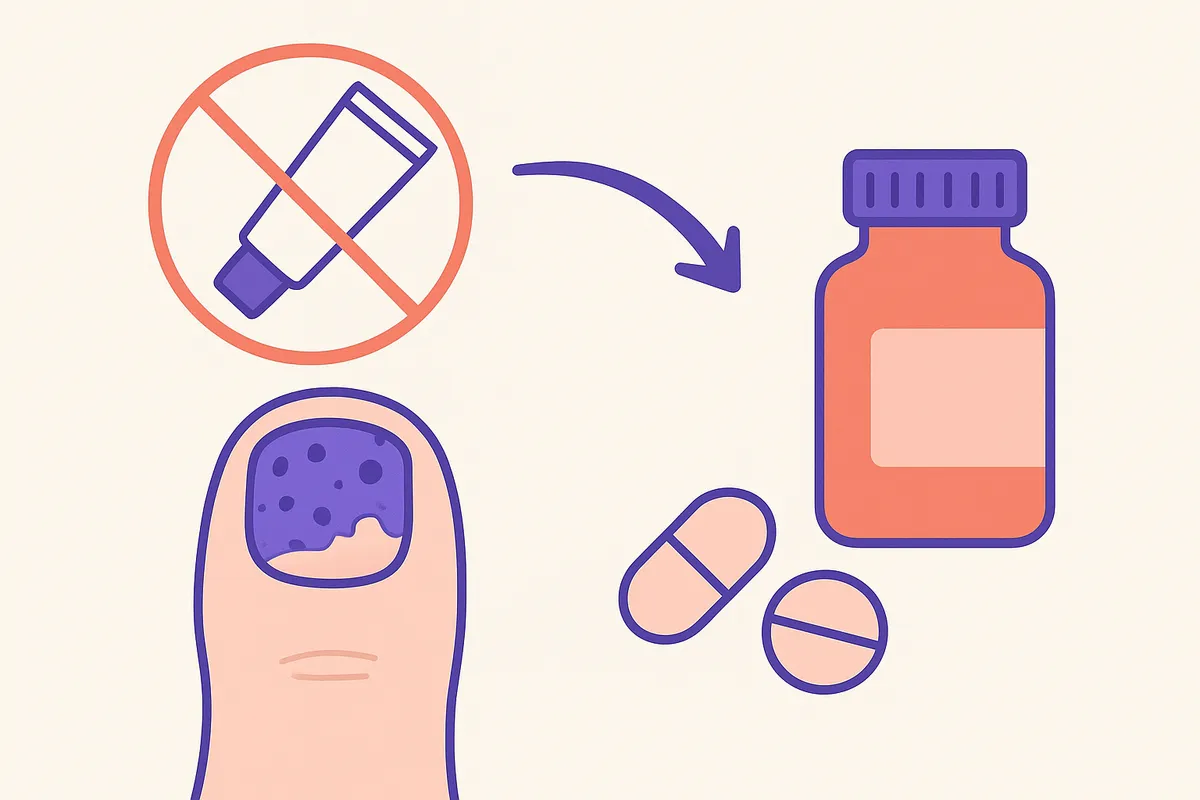
Oral terbinafine is generally safe for diabetics; itraconazole requires checking drug interactions
Good glycemic control is the single most effective prevention against recurrent nail infections
Why Diabetes Affects Your Nails
Diabetes creates a perfect storm for nail problems:
Elevated Blood Sugar
High glucose levels in tissues provide a food source for fungal organisms. The warm, moist environment inside shoes combined with elevated tissue glucose creates ideal growing conditions for dermatophytes.
Impaired Immunity
Diabetes compromises both innate and adaptive immune responses, reducing your body's ability to fight fungal infections before they establish themselves.
Peripheral Neuropathy
Nerve damage in the feet means you may not feel pain from an ingrown nail, developing infection, or pressure from thickened fungal nails. Problems can progress significantly before you notice them.
Poor Circulation
Peripheral vascular disease reduces blood flow to the extremities, slowing wound healing and reducing delivery of immune cells and medications to infected areas.
Common Nail Changes in Diabetes
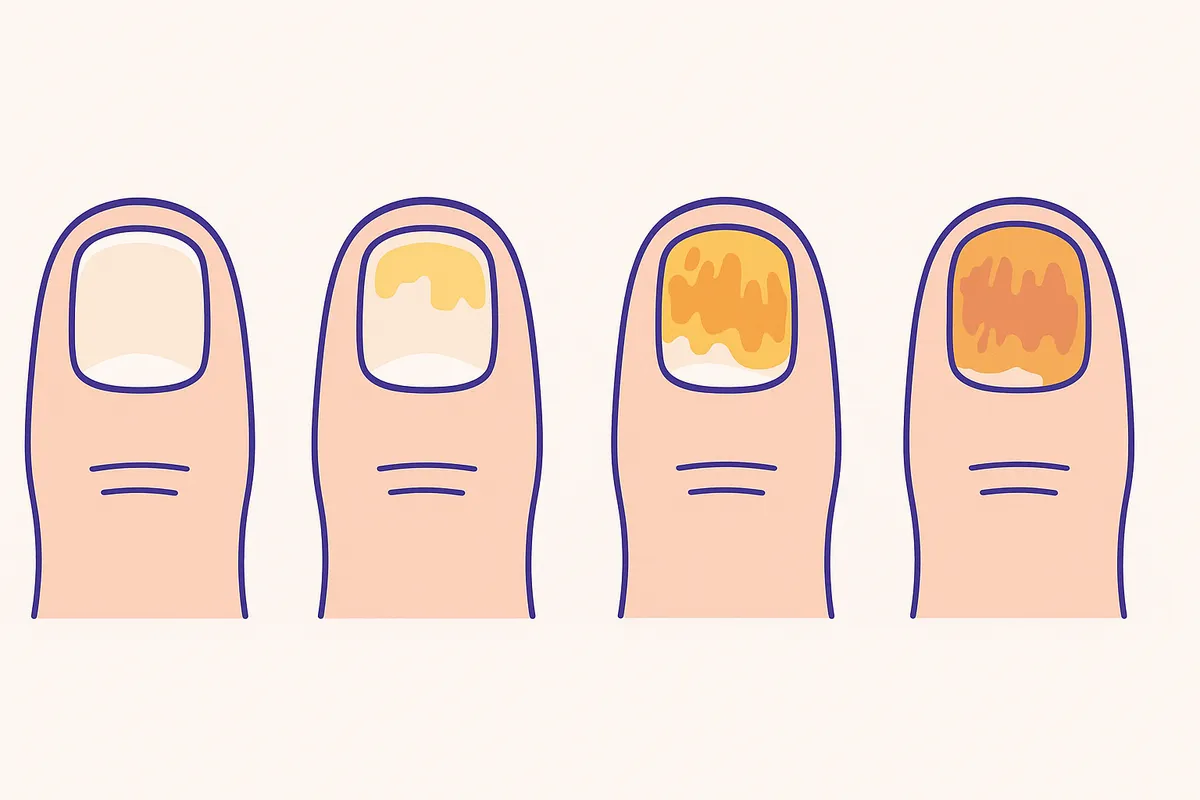
Onychomycosis (fungal nail) — the most common; thickened, yellow, crumbly nails
Onychogryphosis — ram's horn nails; extreme thickening and curving
Ingrown nails — more common due to thickened, distorted nails
Yellow nails — even without fungus, diabetes can cause yellowing
Slow growth — reduced circulation slows nail growth rate
The Ulcer Risk: Why This Matters
Onychomycosis increases the risk of diabetic foot ulcers by up to 300%. The mechanism:
Fungal nails thicken and distort
Thickened nails create pressure points against shoes
Pressure causes skin breakdown on toes
Bacteria enter through compromised skin
Reduced blood flow and immune function impair healing
Minor wounds can progress to serious ulcers
This is why diabetic nail care isn't cosmetic — it's medical.
Wondering if a deficiency is affecting your nails?
Take our 2-minute Nail Health Quiz for a personalized assessment and supplement recommendations.
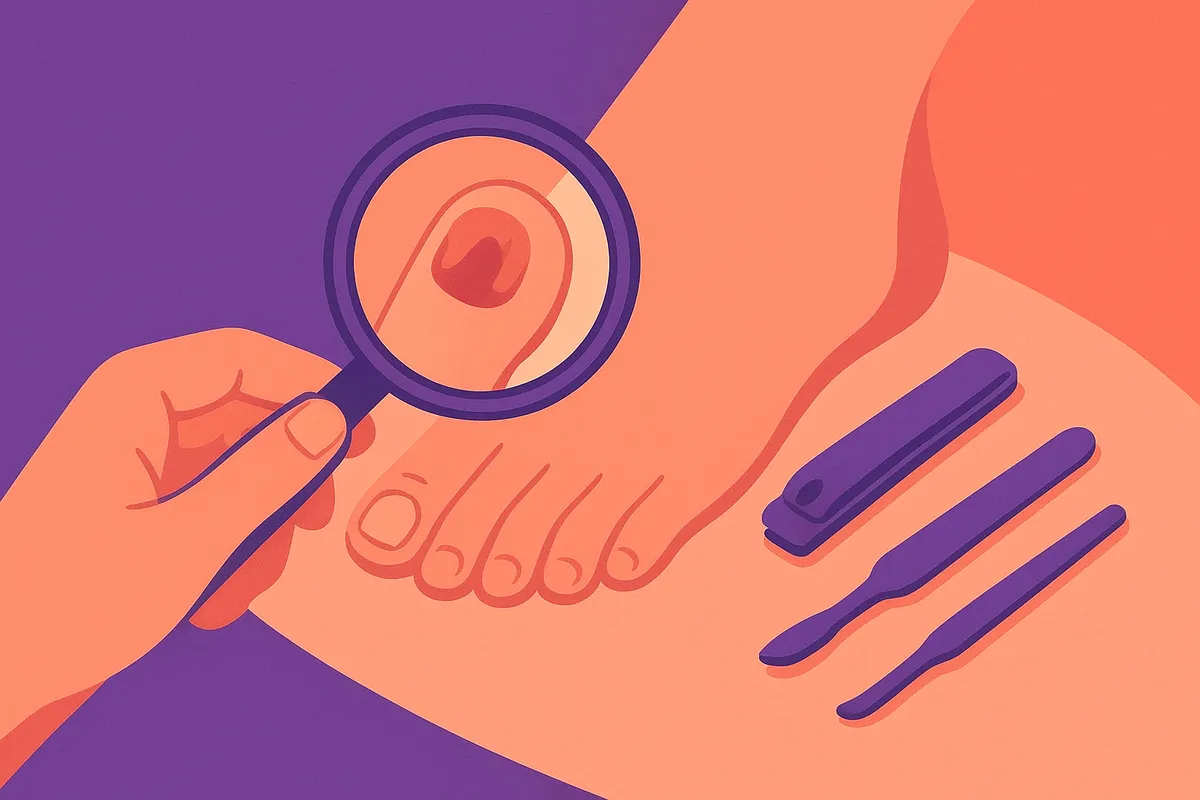
Check all toenails every day — use a mirror or ask someone to help if needed
Look for: color changes, thickening, ingrown edges, redness, swelling, odor
Check between toes for signs of athlete's foot
Washing and Drying
Wash feet daily in warm (not hot) water — test temperature with elbow first
Never soak feet — prolonged moisture softens skin and increases infection risk
Dry thoroughly, especially between toes
Apply moisturizer to feet but NOT between toes (moisture promotes fungus)
Nail Trimming
Cut straight across — never round the corners (prevents ingrown nails)
Don't cut too short — leave a small white edge
Use proper nail clippers — not scissors
File rough edges gently with an emery board
If nails are thickened or you can't see well, have a podiatrist do it
Footwear
Wear shoes that fit properly — no pressure points
Choose moisture-wicking socks, change daily
Never walk barefoot, even at home
Inspect shoes before wearing (check for objects, rough spots)
Treatment Options for Diabetic Patients
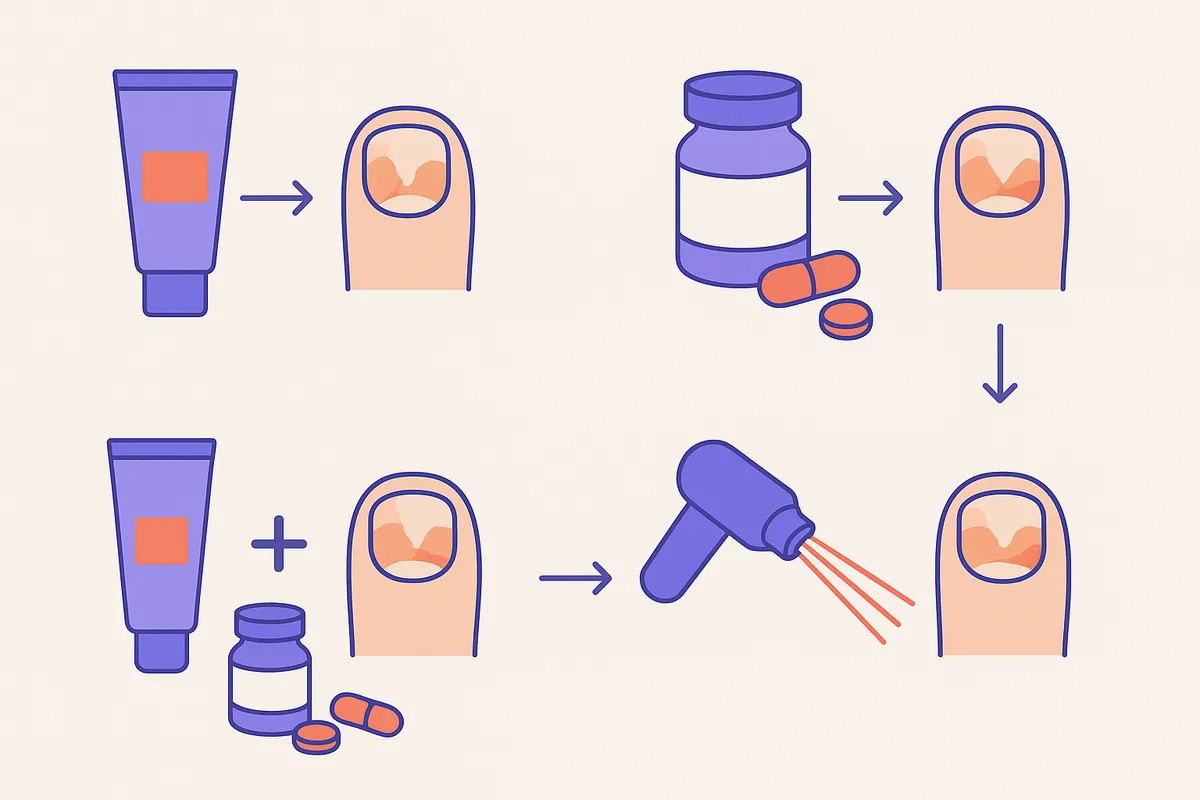
Topical Antifungals
First-line for mild cases
Prescription efinaconazole (Jublia) has better penetration than OTC options
Safe — minimal systemic absorption
Must be used consistently for 48+ weeks
Oral Antifungals
Terbinafine: Generally safe in diabetics; liver function monitoring required
Itraconazole: Use caution — interacts with several diabetes medications (metformin is usually fine, but check statins, calcium channel blockers)
Kidney function matters — dose adjustment may be needed
Professional Nail Care
Regular podiatrist visits (every 2-3 months) for nail debridement
Professional trimming of thickened nails
Monitoring for early signs of infection or ulceration
Blood Sugar Control: Your Best Defense
Good glycemic control is the single most effective way to reduce nail fungus risk. Lower tissue glucose means less fuel for fungal growth, better immune function, and improved circulation to the extremities.
When to Seek Immediate Medical Attention
Any break in skin on or around the nail
Redness, warmth, or swelling spreading from the nail area
Pus or drainage from around the nail
Fever (may indicate systemic infection)
Darkening or blackening of a toe
New pain in a foot that previously had no sensation
This article is for educational purposes only. Diabetic patients should work with their healthcare team for personalized nail care plans.
Frequently Asked Questions
Is nail fungus more dangerous for diabetics?
Yes, significantly. In non-diabetic patients, nail fungus is mainly cosmetic. In diabetics, it increases foot ulcer risk by up to 300%. Thickened fungal nails create pressure in shoes, causing skin breakdown that bacteria enter. Combined with reduced blood flow and impaired immunity, minor wounds can escalate quickly.
Can diabetics take oral antifungals safely?
Generally yes — terbinafine is safe for most diabetic patients with liver function monitoring. Itraconazole requires more caution due to drug interactions with some diabetes medications and statins.
How often should diabetics see a podiatrist?
Every 2-3 months for routine nail care, or immediately if you notice changes. Patients with neuropathy should never trim thickened nails themselves.
Does controlling blood sugar help with nail fungus?
Absolutely — lower tissue glucose means less fuel for fungal growth, stronger immune response, and better blood flow to extremities. An HbA1c below 7% significantly reduces infection risk and improves treatment response.
The Bottom Line: Diabetic nail care is medical care, not cosmetic. Inspect your feet daily, never ignore nail changes, maintain good glycemic control, and see a podiatrist regularly. Onychomycosis in diabetics increases ulcer risk by 300% — early treatment prevents complications that can become limb-threatening.
This article was medically reviewed for accuracy and completeness. Last updated: January 2026.
Disclaimer:This article is for informational purposes only and does not constitute medical advice. Always consult with a qualified healthcare provider before starting any supplement regimen.
Written by Dr. Priya Sharma & reviewed by Dr. Daniel Ortega
Not sure which supplement is right for you?
Take our 2-minute Vitamin Finder quiz and get personalized recommendations based on your profile.