Keratin Supplements vs Keratin Treatments: What's the Difference?
Salon keratin treatments and oral keratin supplements share a name but work completely differently. Compare the evidence, costs, safety, and results of each approach.
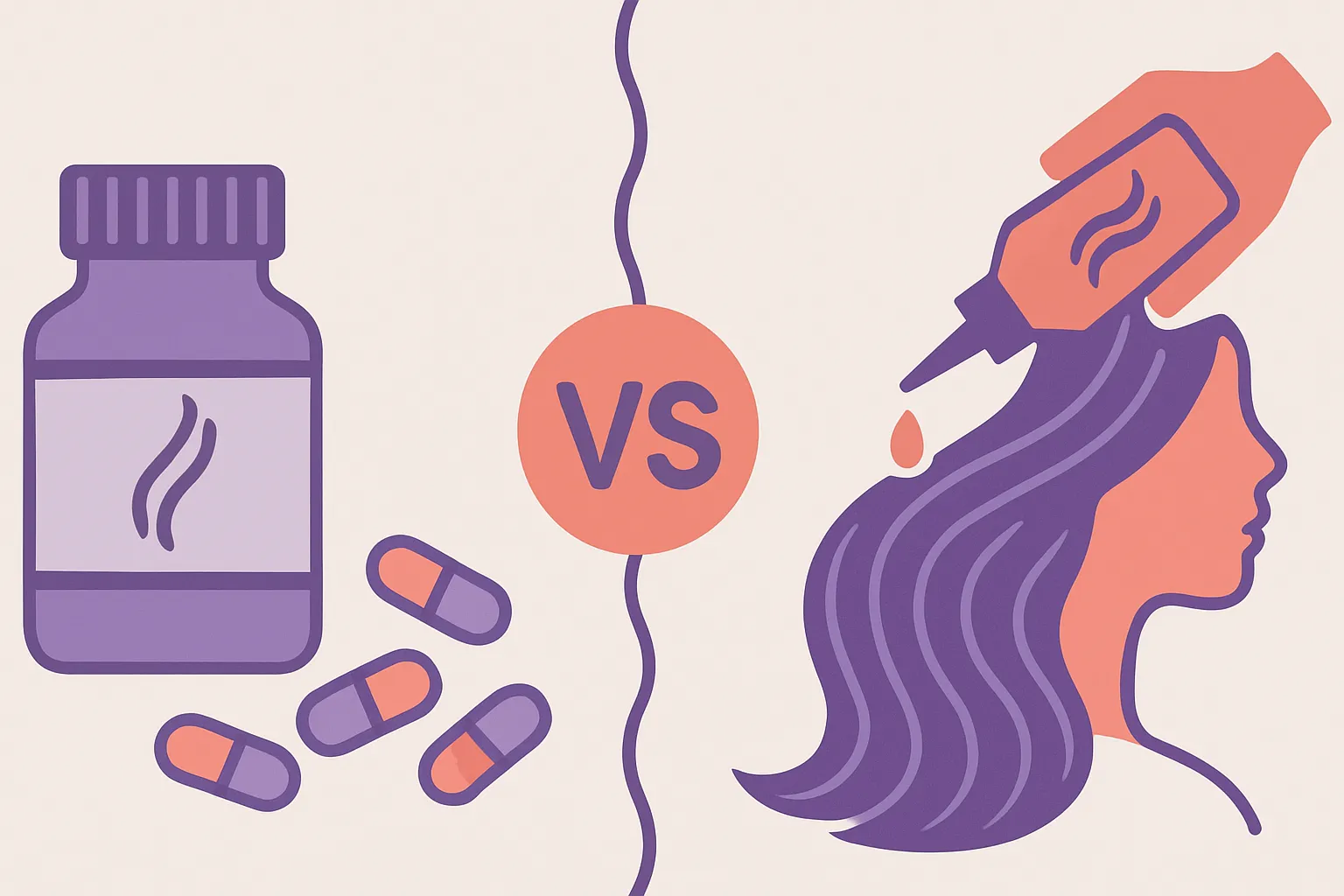
Walk into a salon, and keratin is a smoothing treatment that costs $300 and lasts 3 months. Walk into a pharmacy, and keratin is a $20 bottle of capsules promising stronger hair. Same word, completely different products — and the confusion costs consumers real money.
Here's what you need to know about each approach, what the evidence actually supports, and which one (if either) is right for you.
Key Takeaways
Salon keratin treatments and keratin supplements are completely different products with different mechanisms
Keratin supplements have very limited clinical evidence — no large-scale trials prove oral keratin improves hair or nails
Salon keratin treatments use formaldehyde or formaldehyde-releasing chemicals that pose documented health risks
Your body can't absorb whole keratin protein — supplements are hydrolyzed but evidence for nail/hair benefit is thin
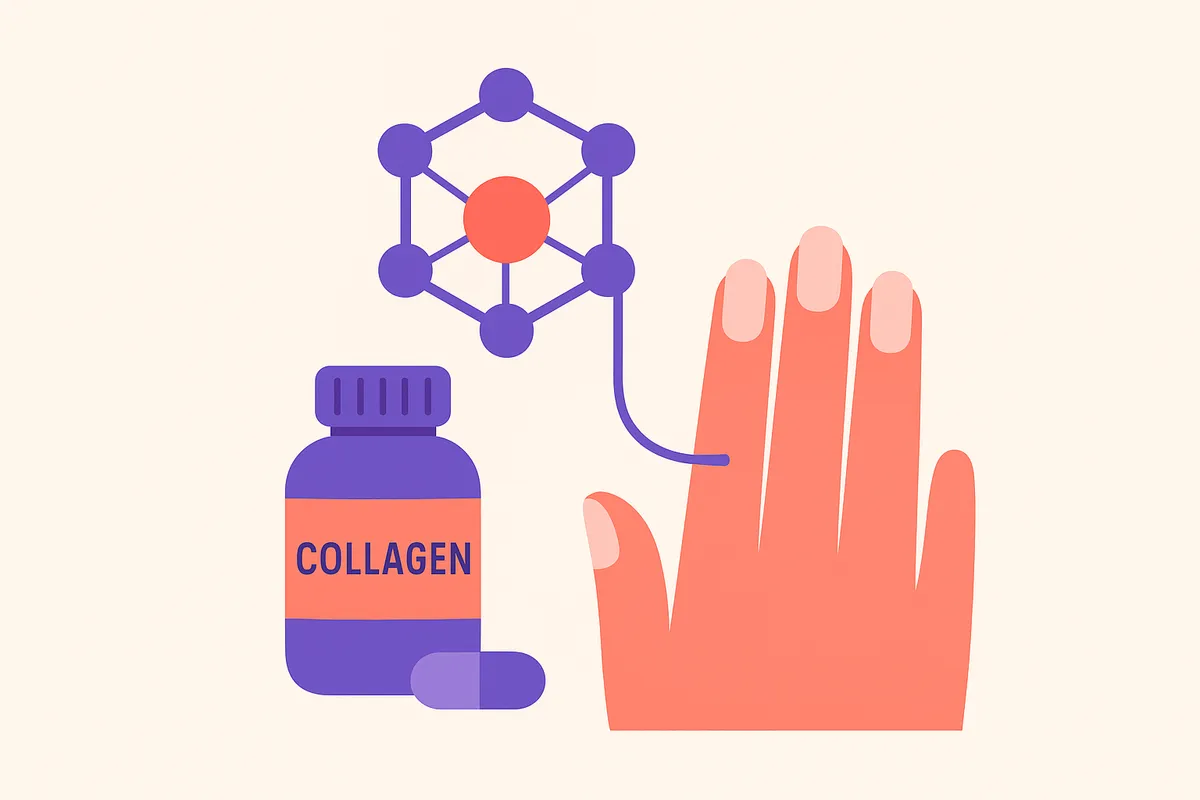
If you want structural protein support, collagen peptides have stronger clinical backing than keratin supplements
What Keratin Actually Is
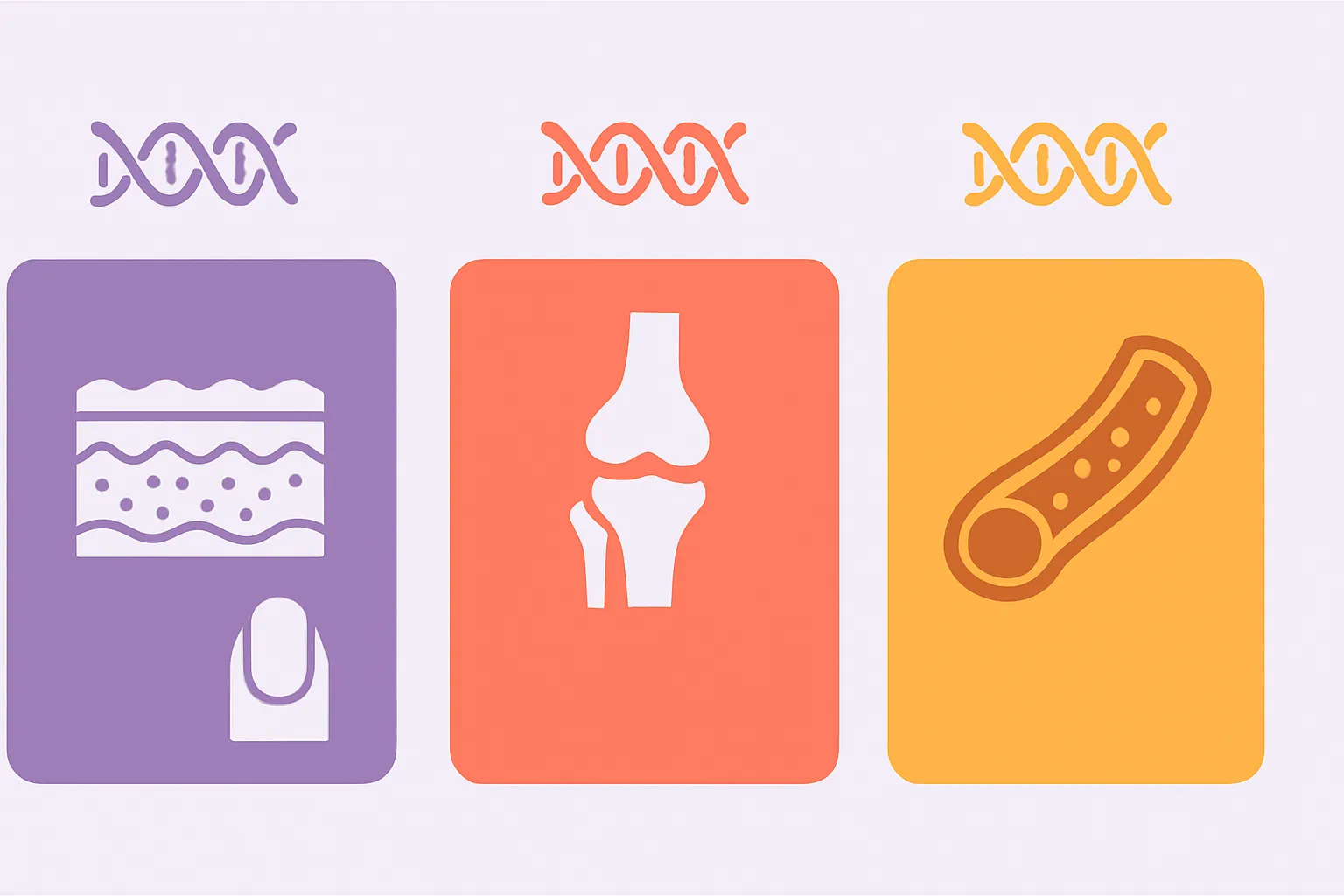
Keratin is the structural protein that makes up your hair, nails, and the outer layer of your skin. It's what gives hair its strength, nails their hardness, and skin its protective barrier. Your body produces keratin naturally from amino acids — particularly cysteine, which provides the sulfur bonds that give keratin its rigidity.
When people talk about "keratin treatments," they could mean two completely different things.
Salon Keratin Treatments: What They Do
How They Work
Professional keratin treatments (Brazilian Blowout, Cezanne, etc.) apply a liquid keratin solution to your hair, then seal it in with a flat iron at 230°C (450°F). The heat causes the keratin to bond to your hair shaft, creating a smooth coating over the cuticle layer.
What You Get
Immediate results — smoother, shinier, more manageable hair from day one
Duration: 3-6 months before the coating washes away
Best for: Frizzy, curly, or damaged hair that's hard to manage
Cost: $150-$400 per treatment
The Concerns
Formaldehyde exposure — many salon keratin treatments contain formaldehyde or formaldehyde-releasing chemicals (methylene glycol). The FDA and OSHA have flagged this as a health concern for both stylists and clients
Heat damage — the extreme temperatures required can damage hair over time
Temporary — you're not actually improving your hair's health, just coating it
Not for all hair types — very fine hair can become limp
Oral Keratin Supplements: What the Science Says
How They Work (In Theory)
When you swallow keratin, your digestive system breaks it down into individual amino acids before absorption. These amino acids then enter your bloodstream and are available for your body to use — but there's no guarantee they'll specifically go to your hair or nails.
What the Evidence Shows
A 2024 randomized, double-blind, placebo-controlled study tested feather keratin hydrolysate (FKH) at 500mg and 1,000mg daily for 90 days. Results showed significant improvement in hair gloss, nail hardness, and overall appearance compared to placebo — importantly, the 500mg dose was just as effective as 1,000mg.
However, the evidence base is still thin:
Only a handful of clinical trials exist
Most studies are small (30-60 participants)
Long-term safety data is limited
Results are modest compared to addressing actual nutrient deficiencies
What You Get
Gradual improvement — takes 2-3 months to notice changes
Works from inside out — provides amino acid building blocks for keratin synthesis
Cost: $15-$30/month
Safety: Generally well-tolerated, no formaldehyde concerns
Wondering if a deficiency is affecting your nails?
Take our 2-minute Nail Health Quiz for a personalized assessment and supplement recommendations.
You understand it's a temporary cosmetic treatment
You've verified your salon uses a formaldehyde-free formula
Choose oral keratin if:
You want to support long-term hair and nail strength
You prefer an inside-out approach
You're willing to wait 2-3 months for results
You want to avoid chemical and heat exposure
Consider neither if:
Your hair loss is caused by a nutrient deficiency (fix that first)
You have a medical condition causing hair changes (thyroid, anemia)
Your goal is primarily nail health (collagen peptides have stronger evidence)
Better Alternatives for Hair and Nail Strength
If your goal is genuinely stronger, healthier hair and nails — not just cosmetically smoother hair — these options have equal or better evidence:
Collagen peptides (2.5-5g daily) — 42% reduction in nail breakage, 12% faster growth
Iron supplementation (if ferritin <30 ng/mL) — directly addresses the #1 nutritional cause of hair loss
Biotin (2,500 mcg daily, if deficient) — 91% improvement in brittle nails
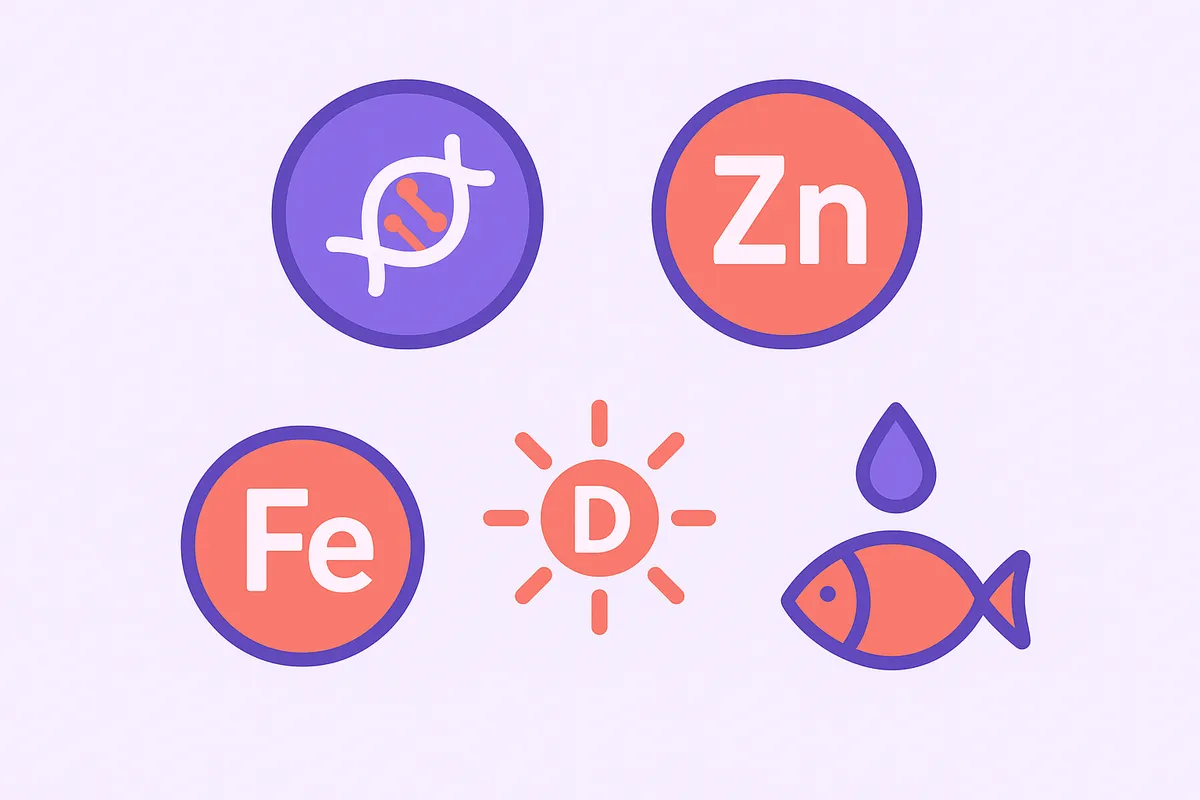
Zinc (15-30mg, if deficient) — essential for keratin synthesis
This article is for educational purposes only. Consult a healthcare provider before starting any supplement regimen.
Frequently Asked Questions
Do keratin supplements actually work for hair?
The evidence is very limited. Unlike collagen (which has a clinical trial showing 42% less nail breakage), keratin supplements have no large-scale published trials demonstrating hair or nail improvement. Your body breaks down ingested keratin into amino acids that enter a general pool — there's no mechanism directing them specifically to hair or nails.
Keratin treatment vs supplement — which should I choose?
They serve different purposes. Salon treatments coat existing hair with a smoothing layer (temporary, 2-4 months, $200-$400). Supplements claim to build stronger hair from within (limited evidence). For frizz control: salon treatment. For structural strength: collagen peptides have better evidence than keratin supplements.
Are salon keratin treatments safe?
Many contain formaldehyde or formaldehyde-releasing chemicals. OSHA has documented complaints from salon workers including eye irritation, headaches, and respiratory issues. "Formaldehyde-free" labels can be misleading — check for methylene glycol. Ventilation matters enormously.
Can keratin supplements repair heat-damaged hair?
No supplement can repair existing damage — the damaged shaft is dead protein. Supplements can only support new, healthier growth from the follicle. For existing damage: protein-containing conditioners, reduce heat to 300-350°F, and wait for new growth.
The Bottom Line: Salon keratin treatments provide temporary cosmetic smoothing but carry formaldehyde exposure risks. Keratin supplements lack clinical evidence for meaningful hair or nail improvement. If you want evidence-based internal support, collagen peptides have stronger data. Save your money on keratin capsules and invest in protecting the hair you already have.
This article was medically reviewed for accuracy and completeness. Last updated: January 2026.
Disclaimer:This article is for informational purposes only and does not constitute medical advice. Always consult with a qualified healthcare provider before starting any supplement regimen.
Written by Elena Vasquez & reviewed by Dr. Marcus Chen
Not sure which supplement is right for you?
Take our 2-minute Vitamin Finder quiz and get personalized recommendations based on your profile.