The Mediterranean Diet for Hair Growth: What the Research Shows
The Mediterranean diet is anti-inflammatory, nutrient-dense, and may protect against hair loss. Learn the hair-specific benefits, key foods, and how to build a hair-friendly meal plan.
The Mediterranean diet consistently ranks as one of the healthiest dietary patterns in the world. But can it specifically help your hair? A growing body of research suggests yes — and the mechanisms go beyond simple nutrient delivery.
Key Takeaways
The Mediterranean diet is one of the most anti-inflammatory dietary patterns studied
A study found eating raw vegetables and herbs 3+ times/week reduced androgenetic alopecia risk
Key hair nutrients are naturally abundant: iron (lentils, fish), zinc (shellfish, seeds), omega-3 (salmon, walnuts)
High fiber content (30-40g/day) supports gut health → better nutrient absorption
No supplement can replicate the synergistic nutrient delivery of whole Mediterranean foods
What Makes the Mediterranean Diet Different
The Mediterranean diet isn't a restrictive plan — it's a pattern of eating that emphasizes:
Moderate: Fish, poultry, eggs, dairy (especially yogurt and cheese)
Limited: Red meat, processed foods, added sugars
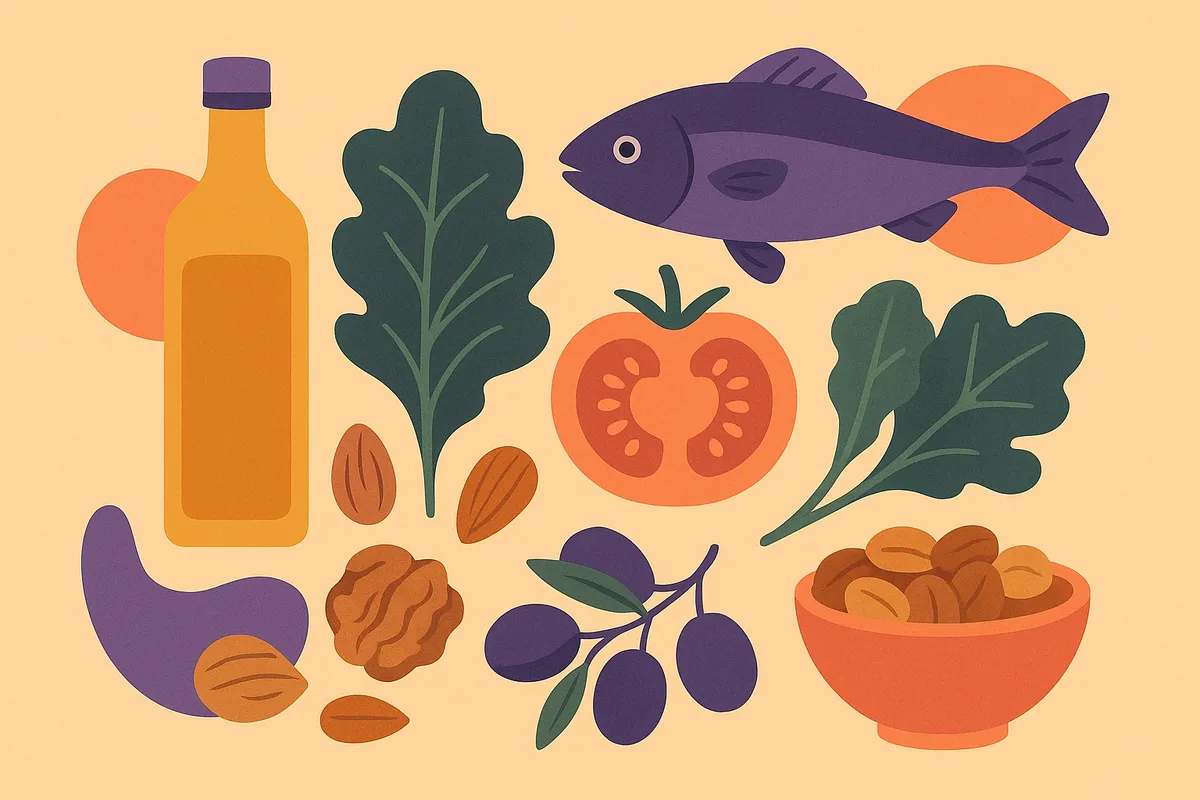
The key differentiator from other diets is the quality of fats (olive oil, fish, nuts) and the diversity of plant compounds (polyphenols, flavonoids, carotenoids).
The Hair Growth Connection
Anti-Inflammatory Effects
Chronic low-grade inflammation damages hair follicles and can trigger or worsen androgenetic alopecia and telogen effluvium. The Mediterranean diet is one of the most potent anti-inflammatory dietary patterns studied, primarily due to:
High antioxidant content from fruits and vegetables
Nutrient Density
A well-constructed Mediterranean diet naturally provides most of the nutrients critical for hair health:
Nutrient
Mediterranean Food Sources
Iron
Lentils, spinach, fish, lean meat
Zinc
Shellfish, pumpkin seeds, chickpeas
Biotin
Eggs, almonds, sweet potatoes
Omega-3
Salmon, sardines, walnuts, olive oil
Vitamin D
Fatty fish, egg yolks, sun exposure
Vitamin C
Tomatoes, bell peppers, citrus, broccoli
Protein
Fish, legumes, nuts, eggs, yogurt
Gut Health Support
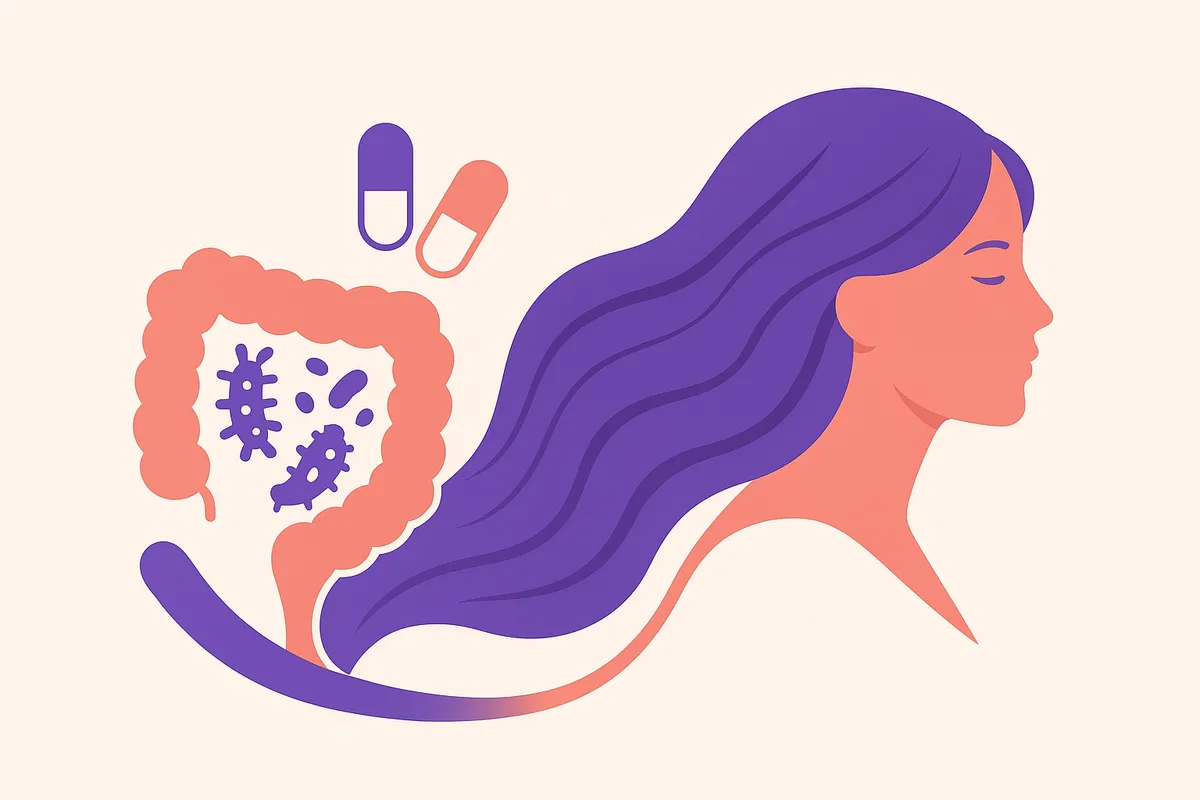
The high fiber content (30-40g daily from vegetables, legumes, whole grains) supports a healthy gut microbiome, which influences nutrient absorption and systemic inflammation — both relevant to hair health.
Reduced Insulin Resistance
The Mediterranean diet improves insulin sensitivity, which is relevant because insulin resistance is linked to androgenetic alopecia. Lower insulin means less IGF-1 stimulation of androgen pathways.
What the Research Shows
A 2018 study in the Archives of Dermatological Research found that consuming raw vegetables and fresh herbs 3+ times per week was associated with a reduced risk of androgenetic alopecia. While the study couldn't prove causation, the dietary pattern most protective was consistent with Mediterranean eating.
Wondering if a deficiency is affecting your nails?
Take our 2-minute Nail Health Quiz for a personalized assessment and supplement recommendations.
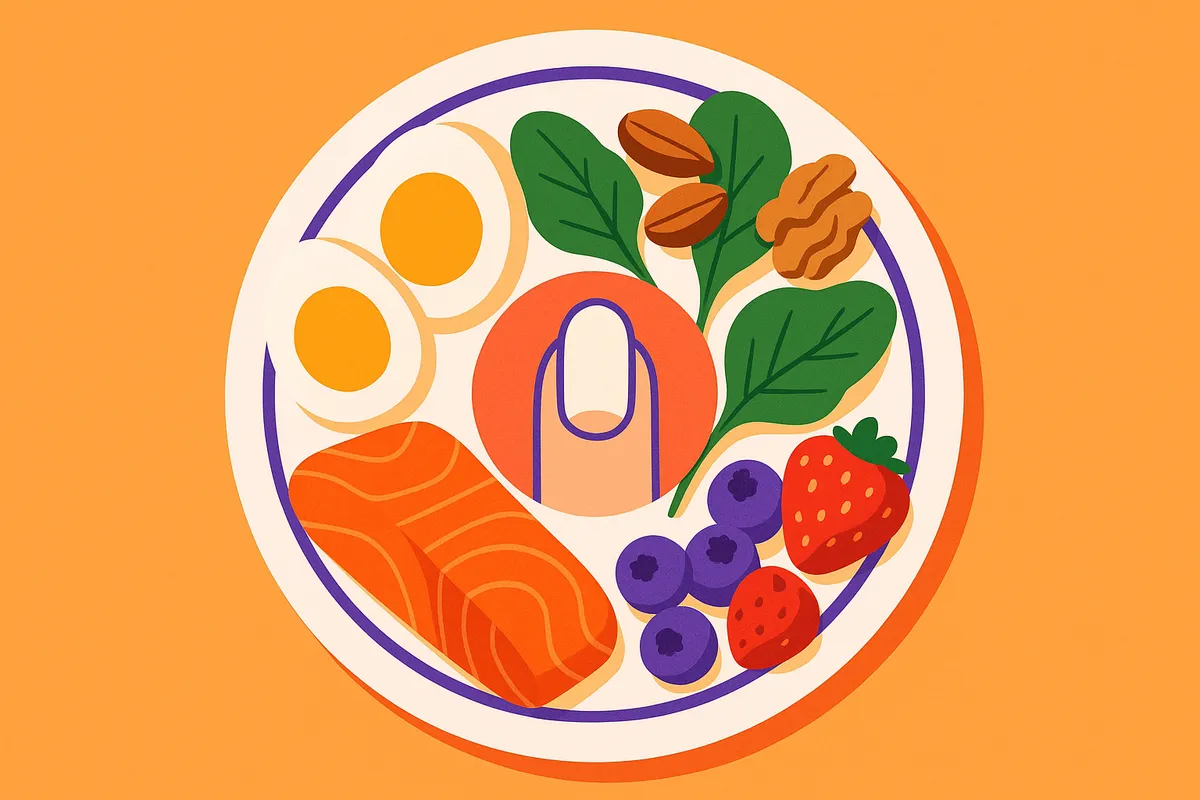
Breakfast: Greek yogurt with walnuts, honey, and berries
Lunch: Lentil salad with spinach, tomatoes, feta, olive oil dressing
Snack: Hummus with bell pepper strips
Dinner: Grilled salmon with roasted vegetables and quinoa
Dessert: Fresh fruit or a small piece of dark chocolate
Key Principles
Cook with olive oil — your primary fat source
Eat fish 2-3x per week — salmon, sardines, mackerel
Legumes daily — lentils, chickpeas, beans
Nuts as snacks — walnuts, almonds (1 oz daily)
Colorful vegetables at every meal
Limit processed foods — they promote inflammation
Red wine optional — not required for the benefits
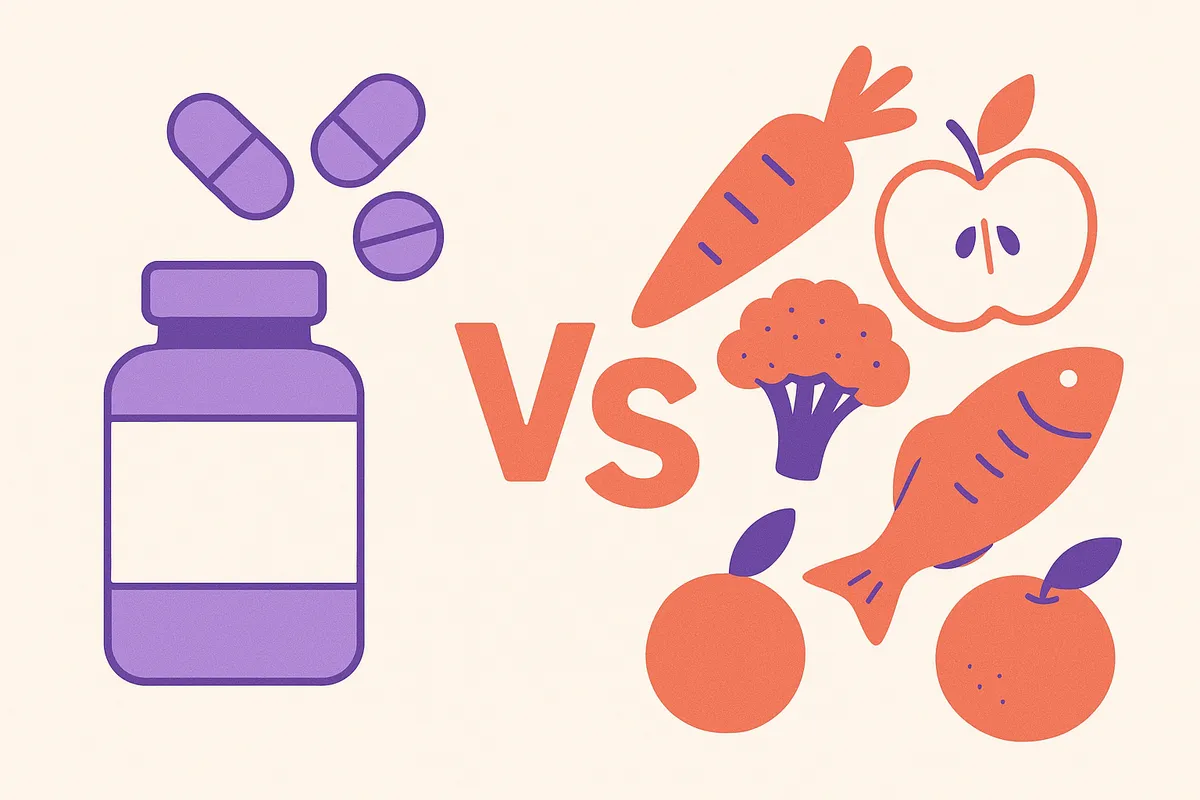
Mediterranean Diet vs. Supplements
The Mediterranean diet provides nutrients in their natural, synergistic form. You get iron with vitamin C (better absorption), zinc with protein (better utilization), and omega-3s with vitamin E (antioxidant protection).
No supplement can replicate this synergy. But if blood work reveals a specific deficiency, targeted supplementation alongside a Mediterranean diet is the optimal approach.
This article is for educational purposes only. Consult a registered dietitian for personalized dietary recommendations.
Frequently Asked Questions
Can the Mediterranean diet actually prevent hair loss?
Observational evidence suggests it may reduce risk, particularly for androgenetic alopecia. The mechanisms — anti-inflammatory effects, nutrient density, improved insulin sensitivity — all support hair follicle health. However, it's not a cure for established pattern hair loss. Think of it as creating the optimal internal environment for your follicles.
Do I need to follow it strictly?
No. The Mediterranean diet is a pattern, not a rigid plan. The core principles — olive oil as primary fat, fish 2-3x/week, abundant vegetables, legumes daily, limited processed food — provide most of the benefit. You don't need to eliminate anything entirely (except perhaps excessive processed food and sugar).
Can I combine the Mediterranean diet with supplements?
Absolutely — that's often the optimal approach. The diet provides a nutrient-rich foundation, and blood work can reveal specific gaps (commonly vitamin D in northern climates and iron in menstruating women) that targeted supplements can fill.
The Bottom Line: The Mediterranean diet isn't a magic bullet for hair, but it creates the best possible nutritional foundation for follicle health through anti-inflammatory fats, diverse micronutrients, and gut-supporting fiber. Combine it with blood work-guided supplementation for optimal results.
This article was medically reviewed for accuracy and completeness. Last updated: January 2026.
Disclaimer:This article is for informational purposes only and does not constitute medical advice. Always consult with a qualified healthcare provider before starting any supplement regimen.
Written by Elena Vasquez & reviewed by Dr. Robert Langford
Not sure which supplement is right for you?
Take our 2-minute Vitamin Finder quiz and get personalized recommendations based on your profile.