

Men's Hair Supplements: What Actually Works for Thinning Hair
Supplements

Men's Hair Supplements: What Actually Works for Thinning Hair

Most men's hair supplements won't reverse pattern baldness. Learn what the evidence supports, how supplements compare to FDA-approved treatments, and the honest strategy for men.

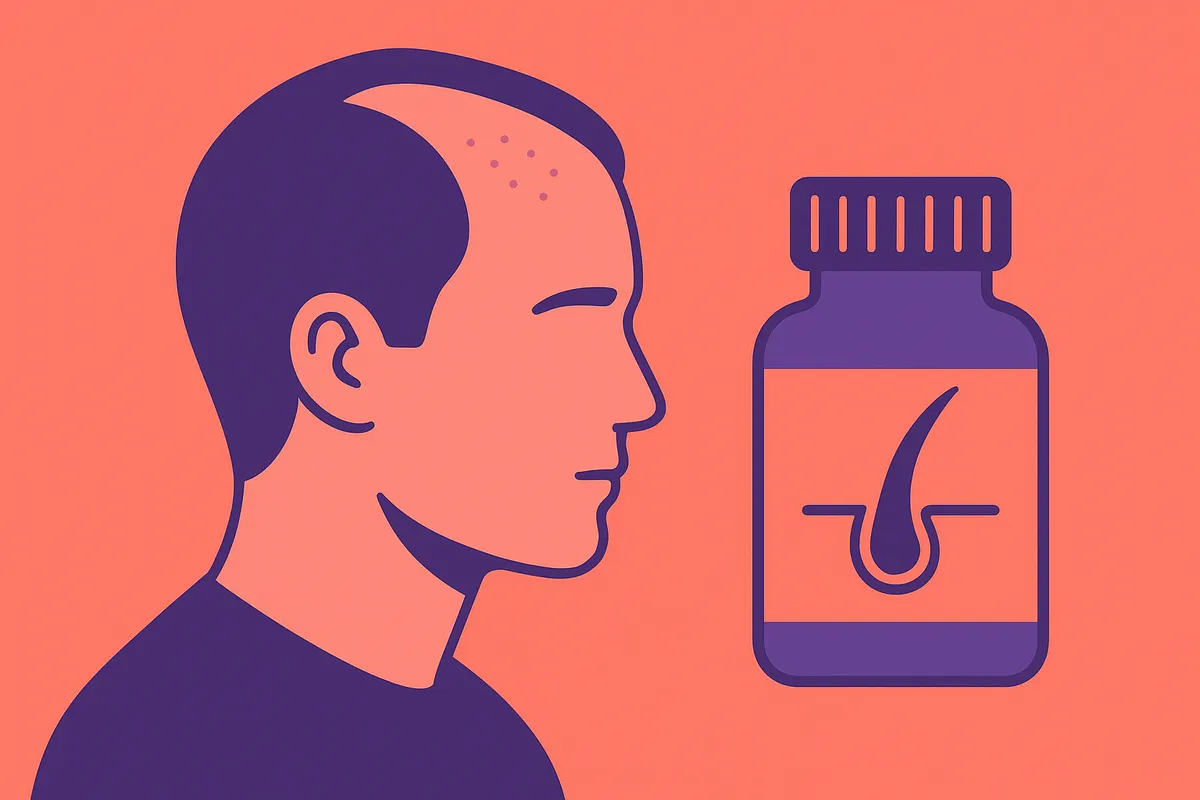
Men's hair loss is a massive market — worth over $3 billion globally — and supplement companies know it. But the landscape of men's hair supplements is dominated by marketing claims rather than clinical evidence.

Here's what actually works for men's hair thinning, what's a waste of money, and the critical difference between supplements and FDA-approved treatments.

Key Takeaways

  • Male pattern baldness is caused by DHT (dihydrotestosterone) and genetics — no supplement can block DHT as effectively as finasteride
  • Only two treatments are FDA-approved for male hair loss: minoxidil (OTC, 30-40% see regrowth) and finasteride (Rx, reduces DHT by ~70%)
  • Saw palmetto is the most-studied herbal option but its effect is far weaker than finasteride
  • Supplements can help if you have a nutrient deficiency (iron, zinc, vitamin D) causing diffuse thinning — but won't reverse genetic pattern baldness
  • Get blood work + see a dermatologist first — knowing your hair loss type determines whether supplements can help at all

Understanding Male Hair Loss

Before talking supplements, you need to know what you're dealing with:

Androgenetic Alopecia (Male Pattern Baldness)

Affects 50% of men by age 50 and up to 80% by age 70. Caused by:

  • DHT (dihydrotestosterone) — a potent androgen that miniaturizes hair follicles
  • Genetic sensitivity — determined by your genes, not by nutrient levels
  • Progressive — without treatment, it doesn't stop on its own

Key fact: No supplement can block DHT as effectively as finasteride (Propecia) or dutasteride. If your hair loss is androgenetic, supplements alone won't reverse it.

Telogen Effluvium

Diffuse thinning triggered by stress, illness, medication, or nutrient deficiency. Unlike androgenetic alopecia, this IS responsive to nutritional intervention — if a deficiency is the cause.

FDA-Approved Treatments (The Gold Standard)

These are the only treatments with robust evidence for male pattern hair loss:

Minoxidil (Rogaine)

  • Topical solution/foam, applied 2x daily
  • Extends the growth phase of hair follicles
  • 30-40% of men see meaningful regrowth
  • Available OTC, no prescription needed

Finasteride (Propecia)

  • Oral medication, 1mg daily
  • Blocks 5-alpha reductase → reduces DHT by ~70%
  • Most effective single treatment for male pattern hair loss
  • Requires prescription
  • Side effects (rare): sexual dysfunction, mood changes

Supplements are not a substitute for these treatments if you have androgenetic alopecia. They can complement, but not replace them.

Supplements With Evidence (Modest)

Saw Palmetto

The most-studied herbal option for male hair loss. Acts as a weak natural 5-alpha reductase inhibitor (like a mild finasteride).

  • Evidence: Several studies show modest improvement in hair count, but effect size is much smaller than finasteride
  • Dose: 320mg daily (standardized extract)
  • Safety: May reduce PSA levels; inform your doctor

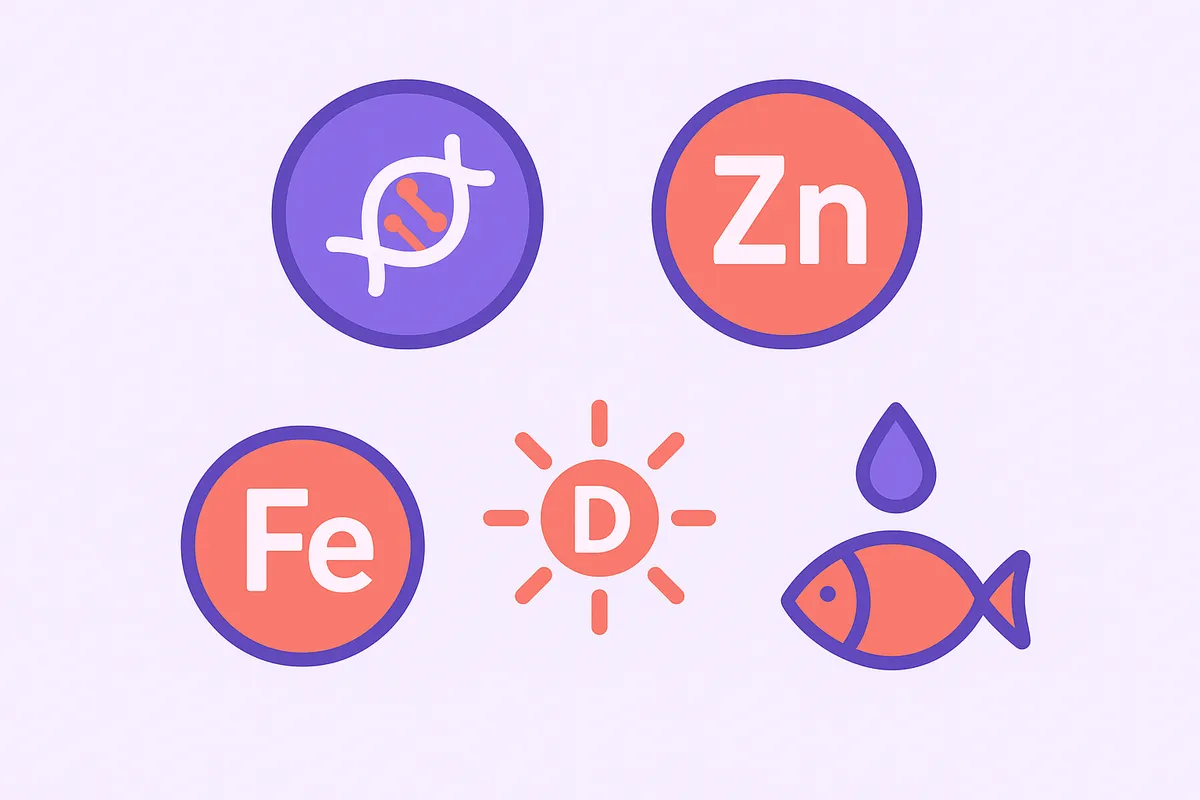
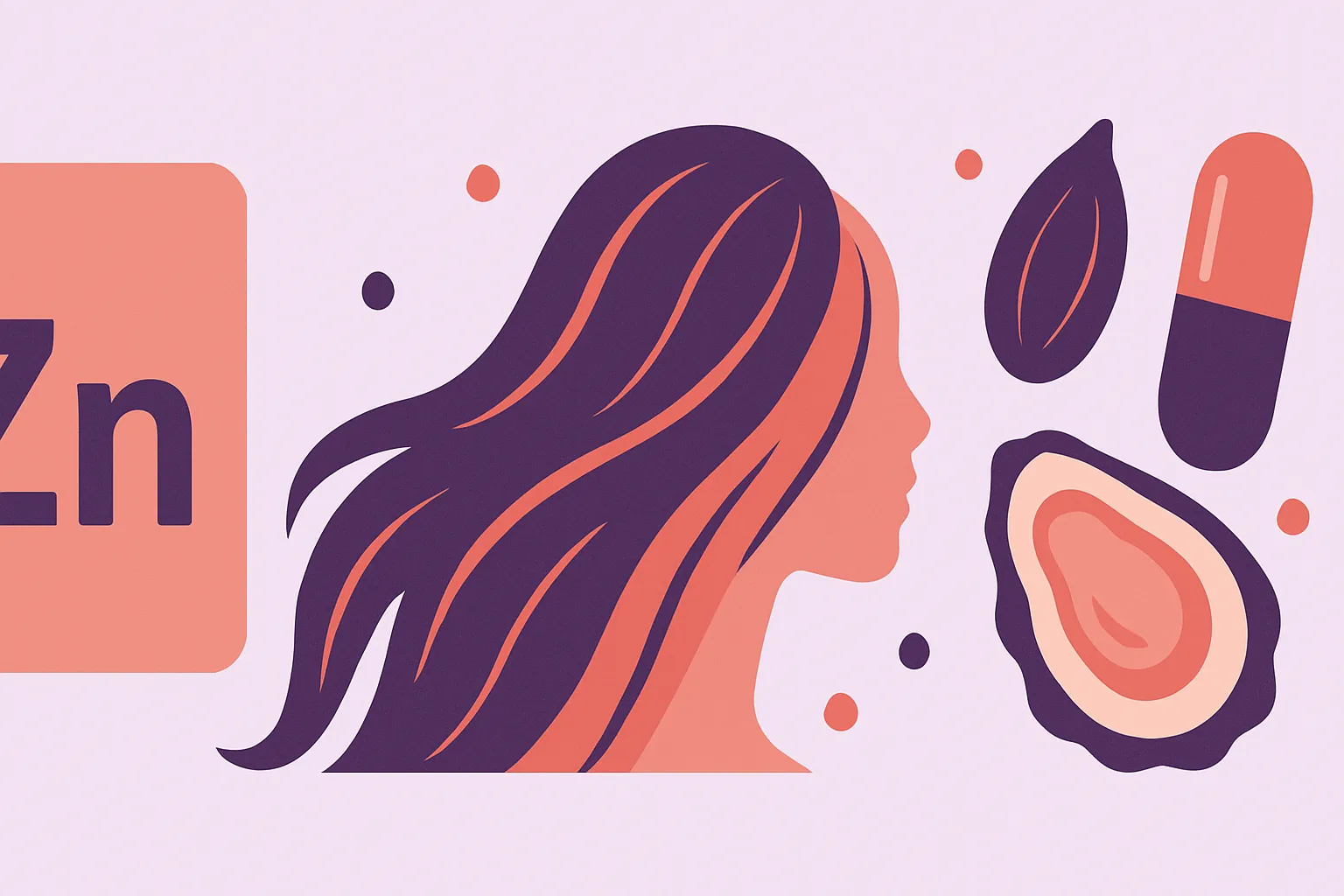
Zinc

Men with androgenetic alopecia often have lower zinc levels. A cofactor in 5-alpha reductase modulation.

  • Evidence: Supplementation helps if deficient; no benefit if levels are normal
  • Dose: 15-30mg daily if deficient
  • Test first: Serum zinc

Iron (Ferritin)

Less commonly deficient in men than women, but worth checking if hair loss is diffuse rather than patterned.

  • Target: Ferritin >40 ng/mL
  • Don't supplement without testing — men are at higher risk of iron overload

Vitamin D

Deficiency is associated with hair loss in men, though the relationship is less studied than in women.

  • Target: 40-60 ng/mL serum 25(OH)D
  • Dose: 1,000-4,000 IU daily based on levels

Biotin

Despite being heavily marketed to men, there's no evidence biotin helps male pattern hair loss. It may help if you have brittle nails (a separate issue), but it won't regrow hair lost to DHT.
Wondering if a deficiency is affecting your nails?

Take our 2-minute Nail Health Quiz for a personalized assessment and supplement recommendations.

Take the Quiz

What Doesn't Work

  • Most "hair growth" formulas — proprietary blends with undisclosed amounts of ingredients
  • Biotin megadoses — no benefit for androgenetic alopecia
  • Collagen for hair regrowth — may help nails, but won't reverse DHT-driven hair loss
  • "DHT-blocking" supplements — most have negligible effect compared to finasteride

The Honest Strategy for Men

  1. Identify your type — androgenetic vs. diffuse (see a dermatologist)
  2. If androgenetic: Consider finasteride and/or minoxidil (the evidence-based options)
  3. Get blood work: Ferritin, zinc, vitamin D, thyroid, testosterone
  4. Fix deficiencies with targeted supplements
  5. Add saw palmetto if you want a natural complement (not replacement)
  6. Set realistic expectations — supplements alone won't regrow a receding hairline

This article is for educational purposes only. See a dermatologist for proper diagnosis of hair loss. Finasteride requires a prescription.

Frequently Asked Questions

Do hair supplements work for male pattern baldness? Not for reversing genetic hair loss. Male pattern baldness is driven by DHT and genetics — no supplement can block DHT as effectively as finasteride (which reduces DHT by ~70%). Supplements like saw palmetto have a much weaker effect. However, if your hair loss includes a nutritional component (low iron, zinc, or vitamin D), fixing those deficiencies can stop the non-genetic portion of thinning.

Finasteride vs saw palmetto — how do they compare? Finasteride is dramatically more effective. It reduces DHT by ~70% and has extensive clinical trial data showing significant hair regrowth. Saw palmetto (320mg daily) is a weak natural 5-alpha reductase inhibitor with modest study results and far smaller effect size. Think of saw palmetto as a mild complement, not a replacement. If you have significant pattern baldness, finasteride is the evidence-based choice.

Can men take women's hair supplements? Most women's hair supplements (biotin, collagen, multivitamins) are fine for men. The main exception: products containing saw palmetto or anti-androgen herbs should only be taken by men who understand the hormonal effects. Also note that biotin won't help male pattern baldness regardless of dose — it only helps if you're genuinely biotin-deficient (rare).

What blood tests should men get before taking hair supplements? Ferritin (iron stores), serum zinc, 25-hydroxyvitamin D, thyroid panel (TSH, free T4), and total testosterone. These identify the most common treatable causes of male hair thinning beyond genetics. If all levels are normal and your hair loss follows the classic pattern (temples and crown), it's androgenetic — and supplements alone won't be enough.

The Bottom Line: For male pattern baldness, finasteride and minoxidil are the evidence-based treatments — supplements can complement but not replace them. For diffuse thinning, get blood work first and fix any deficiencies. The most expensive supplement won't help if you're treating the wrong type of hair loss. See a dermatologist, get diagnosed, then act accordingly.


This article was medically reviewed for accuracy and completeness. Last updated: January 2026.

Sources & References

  1. Clinical efficacy of popular oral hair growth supplement ingredients — Dermatologic Therapy (2020)
  2. A Review of the Use of Biotin for Hair Loss — Skin Appendage Disorders (2017)
  3. Effects of dietary supplements on androgenetic alopecia: systematic review — Journal of Cosmetic Dermatology (2025)

Disclaimer:This article is for informational purposes only and does not constitute medical advice. Always consult with a qualified healthcare provider before starting any supplement regimen.

Written by Elena Vasquez & reviewed by Dr. Marcus Chen

Not sure which supplement is right for you?

Take our 2-minute Vitamin Finder quiz and get personalized recommendations based on your profile.

Take the Quiz →