

Nail Fungus Home Remedies: What Works, What Doesn't
Treatments

Nail Fungus Home Remedies: What Works, What Doesn't

Tea tree oil, vinegar, Vicks VapoRub — we review the clinical evidence for popular home remedies for nail fungus and explain when you need prescription treatment instead.

When nail fungus appears, the first instinct for many people is to try a home remedy before seeing a doctor. Tea tree oil, vinegar soaks, Vicks VapoRub — these remedies are everywhere online, often presented as natural cures.

But how much evidence is actually behind them? Let's separate what might help from what definitely doesn't, and discuss when home remedies are reasonable versus when you need prescription treatment.

Key Takeaways

  • No single home remedy has strong clinical evidence for curing nail fungus
  • Tea tree oil and Vicks VapoRub show the most promise, but cure rates are low (under 30%)
  • Vinegar soaks, hydrogen peroxide, garlic, and baking soda have no clinical evidence
  • Home remedies may help very early infections (small spot, <25% of one nail)
  • If fungus covers more than 25% of the nail or multiple nails are affected, see a doctor

The Reality Check

A 2022 systematic review in the Journal of Fungi examined all available clinical evidence for complementary and alternative therapies for onychomycosis. The conclusion: no single alternative therapy has strong evidence supporting its use. Some show promise in lab settings, but clinical evidence in actual human nail fungus is limited.

This doesn't mean all home remedies are useless — it means you should have realistic expectations.

Remedies With Some Evidence

Tea Tree Oil (Melaleuca alternifolia)

Evidence level: Limited but promising

Tea tree oil contains terpinen-4-ol and other compounds with documented antifungal activity against dermatophytes, including Trichophyton rubrum — the most common nail fungus pathogen.

  • In vitro: Effective at inhibiting fungal growth in lab studies
  • Clinical: One small study (60 patients) compared tea tree oil to clotrimazole; both achieved similar mycological cure rates (~60%) but these were for skin fungus, not nails
  • For nails specifically: Very limited clinical data; the nail plate barrier reduces penetration

How to use: Apply 100% tea tree oil to affected nails twice daily with a cotton swab. File nail surface first to improve penetration. Continue for 6-12 months.

Vicks VapoRub

Evidence level: Very limited

A small pilot study (18 patients) found:

  • 27.8% mycological cure
  • 55.6% partial clinical cure
  • 27.8% complete clinical cure

These numbers are actually comparable to some prescription topicals — but the study was uncontrolled, small, and hasn't been replicated.

Active components: Thymol (from thyme oil), eucalyptol, menthol, camphor — all have some antifungal properties.

How to use: Apply a small amount to affected nails daily, preferably at bedtime. Cover with a bandage or sock.

Snakeroot Extract (Ageratina pichinchensis)

Evidence level: Moderate (for a natural remedy)

A Mexican clinical trial compared snakeroot extract to ciclopirox lacquer (prescription antifungal) and found similar efficacy. This is one of the better-studied natural options, though it's less available commercially.

Remedies With Weak or No Evidence

Vinegar Soaks

Popular claim: Acidic environment kills fungus. Reality: No clinical trials support vinegar for nail fungus. The fungus lives deep beneath the nail plate where vinegar can't reach. Soaking may actually soften nails (making them more fragile) and create moisture (which fungus loves).

Hydrogen Peroxide

Reality: Insufficient penetration through the nail plate. May damage surrounding skin.

Garlic

Reality: Ajoene (a garlic compound) has antifungal properties in vitro, but no clinical evidence for nail fungus. Can cause chemical burns on skin.

Baking Soda

Reality: No antifungal properties. May help absorb moisture in shoes (prevention), but won't treat an existing infection.

Listerine Soaks

Reality: Contains thymol and eucalyptol (antifungal), but no clinical evidence for nail fungus treatment.
Wondering if a deficiency is affecting your nails?

Take our 2-minute Nail Health Quiz for a personalized assessment and supplement recommendations.

Take the Quiz

When Home Remedies Are Reasonable

Home remedies may be worth trying if:

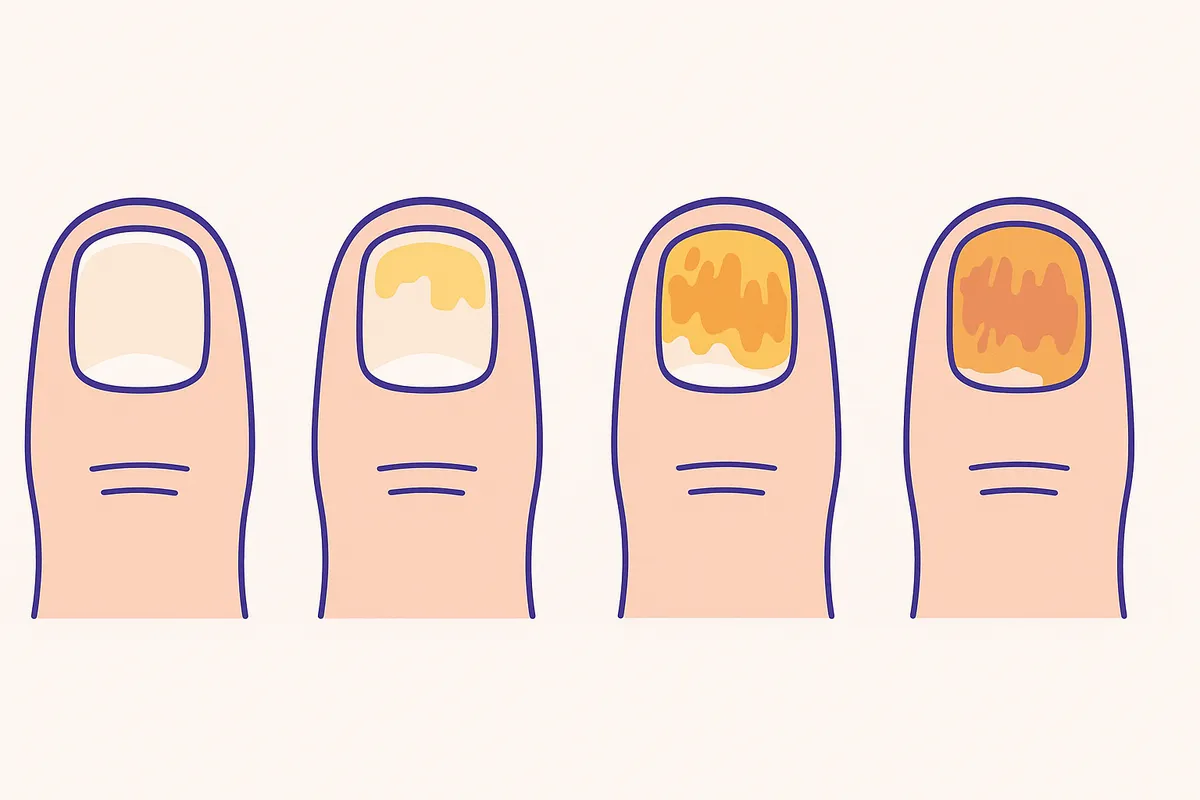
  • Your infection is very early — small white/yellow spot, less than 25% of one nail
  • You're waiting for a dermatology appointment
  • You want to try something before committing to prescription medication
  • You're using them alongside (not instead of) prescribed treatment

When You Need Prescription Treatment

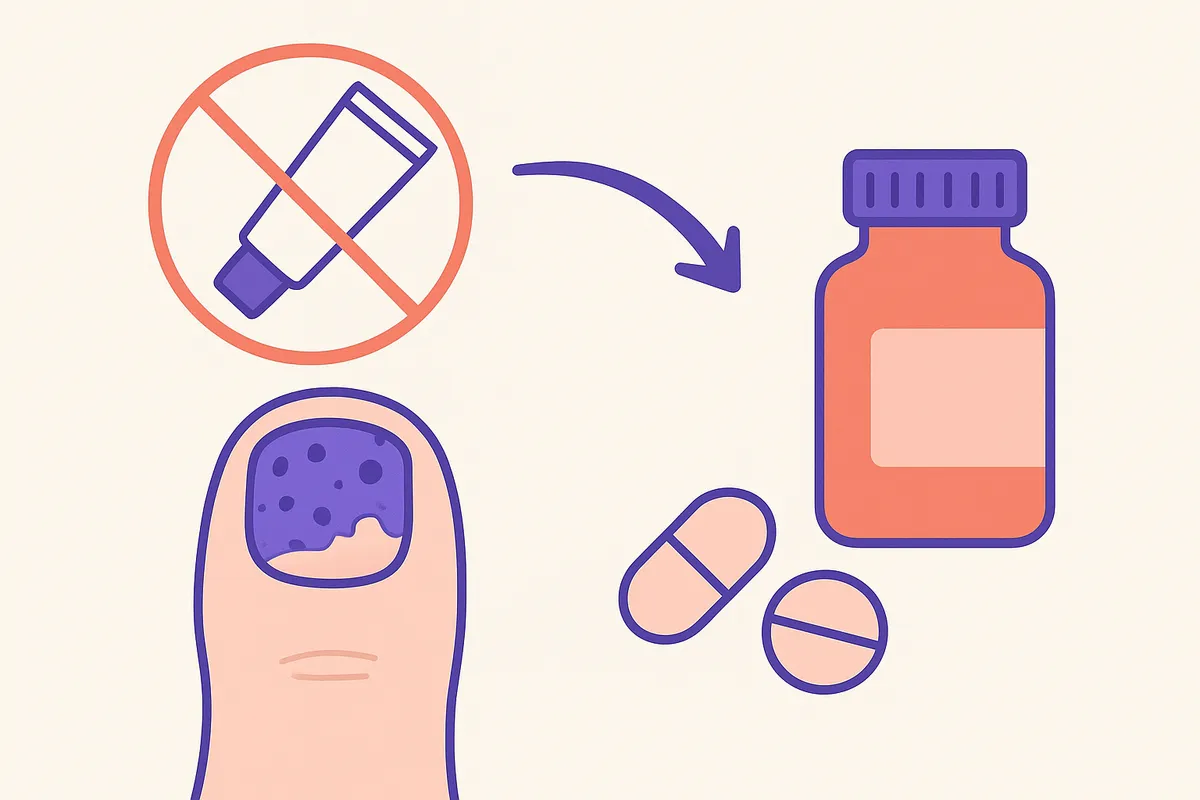
Skip the home remedies and see a doctor if:

  • Fungus covers more than 25% of the nail
  • Multiple nails are affected
  • The nail is thickened, crumbly, or separating
  • You've tried home remedies for 3 months with no improvement
  • You have diabetes or immune compromise
  • You're experiencing pain

The Honest Bottom Line

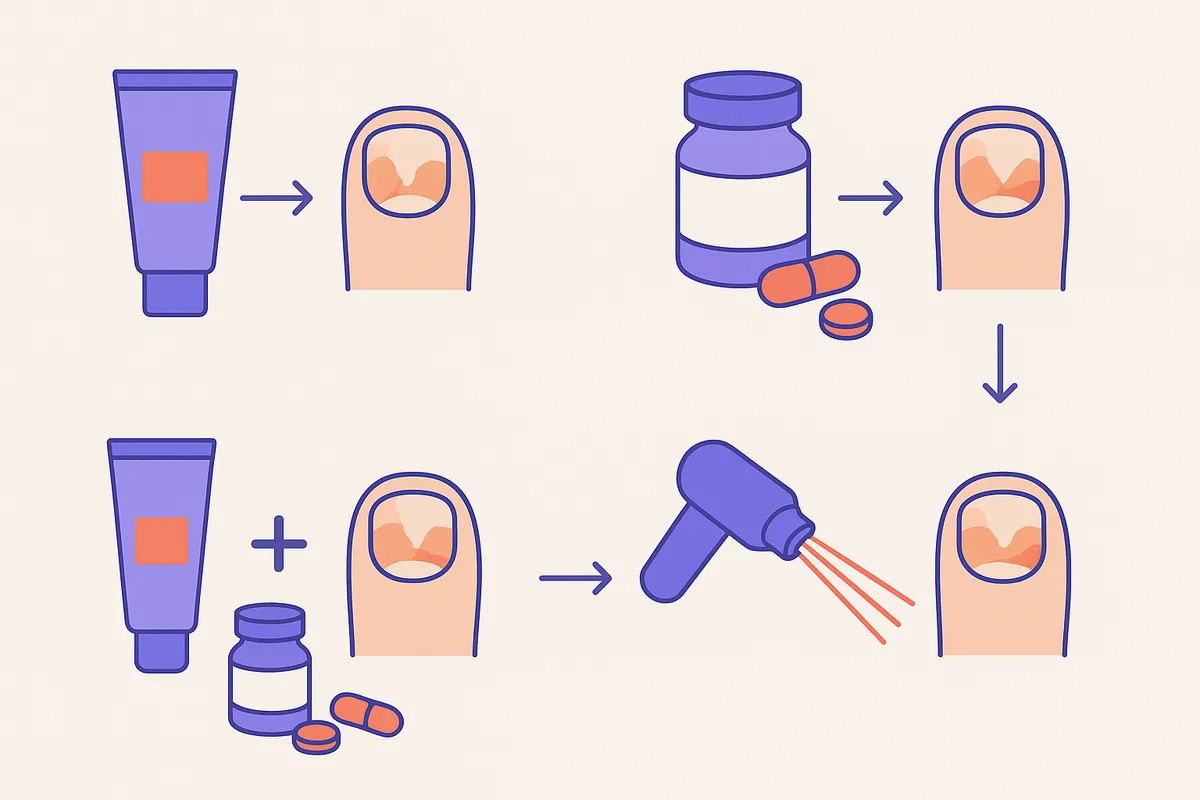
Home remedies for nail fungus have cure rates in the single digits to low teens — at best. Compare this to:

  • Prescription topical (efinaconazole): 15-18%
  • Oral terbinafine: 38-76%
  • Combination therapy: 50-80%+

If you have a mild, early infection and patience, a home remedy might help. For anything beyond a small spot, evidence-based prescription treatment is significantly more effective.

This article is for educational purposes only. See a healthcare provider for persistent or worsening nail fungus.

Frequently Asked Questions

Does tea tree oil actually cure nail fungus? In lab settings, tea tree oil kills dermatophytes effectively. But nail fungus isn't a lab — the nail plate creates a physical barrier that limits penetration. One small study showed ~60% mycological cure for skin fungus, but nail-specific clinical data is very limited. It's worth trying for very early infections, but don't rely on it for moderate or severe cases.

How long do home remedies take to work? Even prescription treatments take 9-18 months for complete nail replacement. Home remedies — if they work at all — require daily application for at least 6-12 months. If you don't see any improvement in 3 months of consistent use, the remedy isn't working and it's time for prescription treatment.

Can I use home remedies alongside prescription antifungals? Yes, and this is actually the most reasonable approach. Tea tree oil or Vicks VapoRub as a complementary treatment to oral terbinafine won't interfere with the medication and may provide additional topical antifungal coverage. Always inform your doctor about any remedies you're using.

Why do vinegar soaks not work for nail fungus? The fungus lives deep beneath the nail plate where vinegar can't reach. Additionally, soaking softens the nail (making it more fragile) and creates prolonged moisture exposure — which fungus thrives in. Vinegar may help prevent athlete's foot on skin, but it's ineffective against established nail infections.

The Bottom Line: Home remedies for nail fungus have cure rates in the single digits to low teens at best. Tea tree oil and Vicks VapoRub show the most promise for very early infections. For anything beyond a small spot, prescription oral antifungals (38-76% cure) are significantly more effective. Don't waste months on remedies that won't work for your stage of infection.


This article was medically reviewed for accuracy and completeness. Last updated: January 2026.

Disclaimer:This article is for informational purposes only and does not constitute medical advice. Always consult with a qualified healthcare provider before starting any supplement regimen.

Written by Dr. Priya Sharma & reviewed by Dr. Daniel Ortega

Not sure which supplement is right for you?

Take our 2-minute Vitamin Finder quiz and get personalized recommendations based on your profile.

Take the Quiz →