Seasonal Hair Loss: Why It Happens and How to Manage It
Hair shedding peaks in fall for many people. Learn why seasonal hair loss happens, how to tell it apart from real hair loss, and what (if anything) you should do about it.
If you've noticed more hair in your brush every fall, you're not imagining things. Seasonal hair shedding is a real, documented phenomenon — and it affects more people than you might think.
Understanding why it happens can save you unnecessary anxiety and prevent wasting money on supplements you don't need.
Key Takeaways
Seasonal hair shedding is real and documented — searches for "hair loss" peak globally in fall
It's an evolutionary holdover: your body retains more hair in summer for UV protection, then sheds in fall
Normal seasonal shedding: up to 150-200 hairs/day for 2-3 months (vs normal 50-100/day)
It resolves on its own within 2-3 months — no treatment needed
If shedding persists beyond 3 months or is patchy, it may not be seasonal — see a dermatologist
Is Seasonal Hair Loss Real?
Yes. Multiple studies have confirmed seasonal variation in hair growth and shedding:
A large study analyzing Google Trends data across 8 countries found that searches for "hair loss" peaked consistently in summer and fall, suggesting a worldwide seasonal pattern. Research using trichograms (hair analysis) has shown that the proportion of telogen (resting phase) hairs peaks in late summer and early fall.
Why It Happens
The Evolutionary Theory
Humans, like many mammals, may retain more hair during summer months to protect the scalp from UV radiation. As daylight decreases in fall, these protective hairs shift into the shedding phase. This evolutionary holdover means your body "decides" to shed extra hair when sun protection is less needed.
The Melatonin Connection
Shorter days mean more melatonin production, which affects hair follicle cycling. Melatonin receptors exist in hair follicles, and changes in melatonin levels may trigger the synchronized transition of hairs from growth to shedding phase.
The Timeline
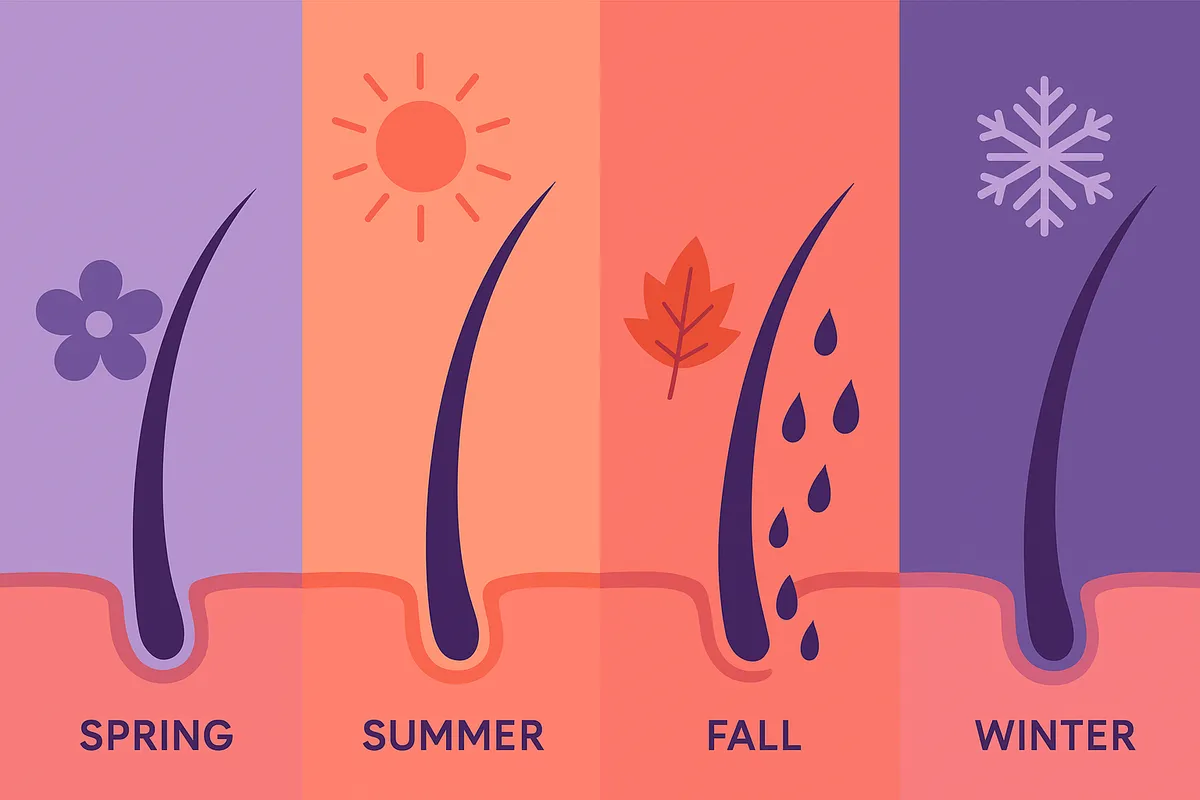
Spring: More hairs in growth phase (anagen)
Summer: Peak growth; highest percentage of actively growing hairs
Late summer/early fall: Hairs begin transitioning to resting phase (telogen)
Fall: Peak shedding — the telogen hairs from summer's transition are now falling out
Winter: Shedding decreases; new growth begins
How Much Shedding Is Normal?
Normal daily hair loss: 50-100 hairs per day
Seasonal shedding: up to 150-200 hairs per day during peak periods
This increase can last 2-3 months, typically September through November in the Northern Hemisphere.
Wondering if a deficiency is affecting your nails?
Take our 2-minute Nail Health Quiz for a personalized assessment and supplement recommendations.
The important question: is this seasonal shedding or the beginning of a real problem?
Seasonal Shedding
Problem Shedding
Occurs fall/early winter
Any time of year
Resolves within 2-3 months
Persists >3 months
Diffuse (all over)
May be patchy or patterned
No visible thinning of scalp
Visible scalp, widening part
No other symptoms
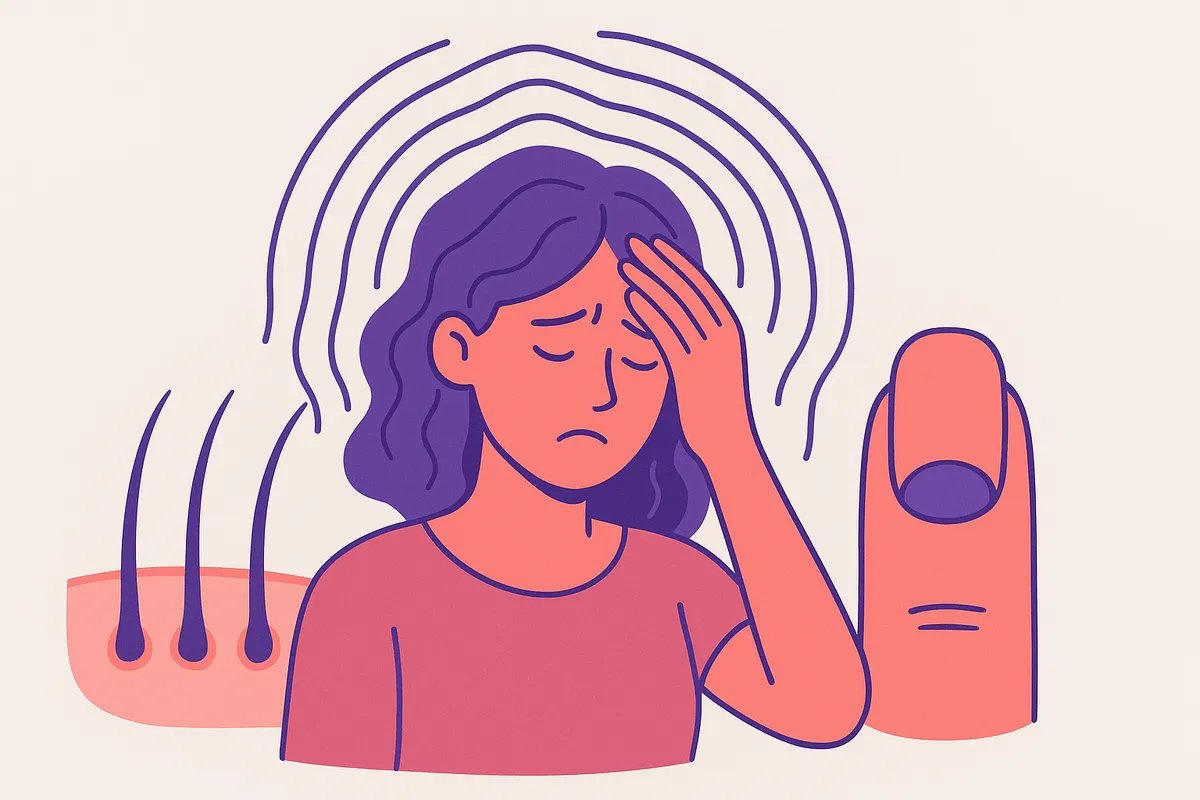
Fatigue, nail changes, weight changes
Happens annually
First occurrence
What to Do (and What Not to Do)
DON'T:
Panic and buy expensive supplements
Start minoxidil for seasonal shedding
Drastically change your hair care routine
Count individual hairs (this increases anxiety without useful information)
DO:
Note when shedding started — if it aligns with fall, it's likely seasonal
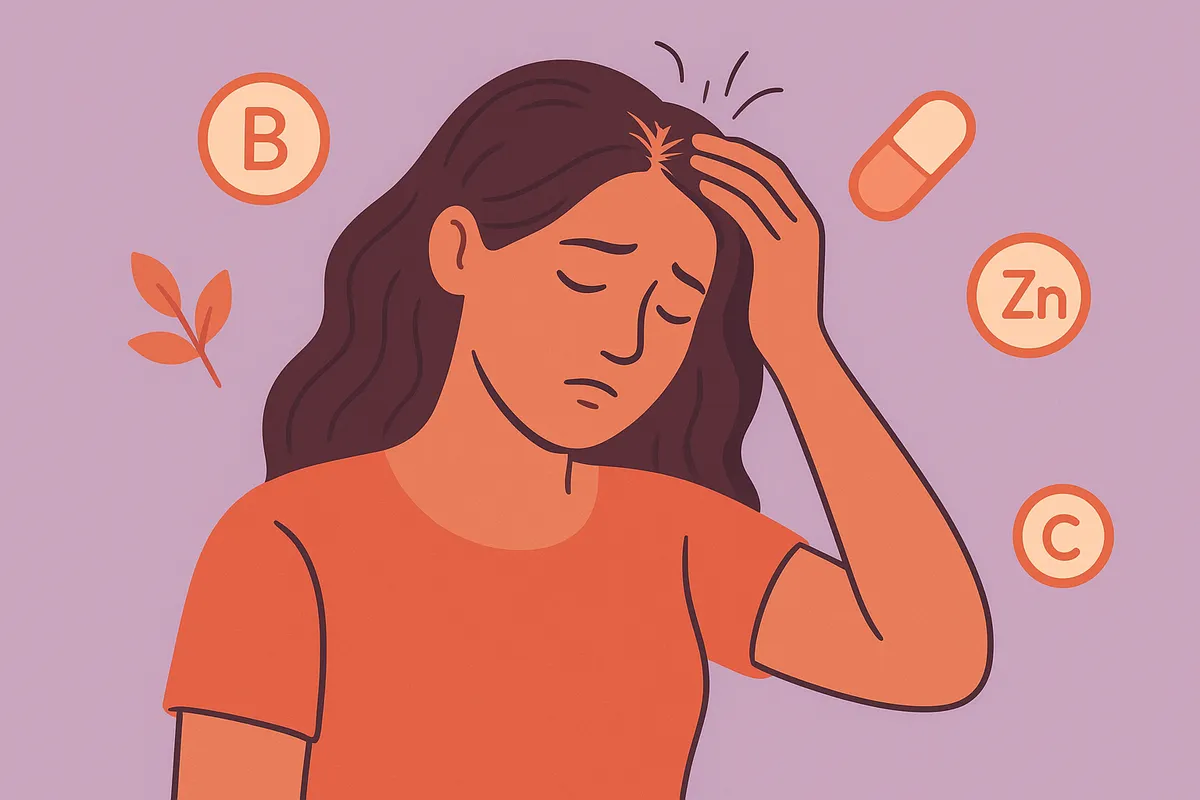
Ensure your nutrition is solid (iron, zinc, vitamin D, protein)
Consider that fall coincides with back-to-school stress, diet changes, and less outdoor time
Take photos of your part line monthly — objective tracking is better than subjective worry
See a dermatologist if shedding doesn't resolve by 3 months
Nutrients That Support Hair Through Seasonal Changes
Focus on maintaining adequate levels rather than mega-dosing:
Vitamin D — levels drop in fall/winter with less sun exposure; supplement 1,000-2,000 IU daily
Iron — get ferritin checked, especially if you menstruate
Protein — aim for 0.8-1g per kg body weight daily
Omega-3s — anti-inflammatory support for the scalp
This article is for educational purposes only. See a dermatologist if hair shedding persists beyond 3 months or is accompanied by other symptoms.
Frequently Asked Questions
When does seasonal hair loss start and stop?
In the Northern Hemisphere, shedding typically increases in September-October and resolves by December-January. The trigger is decreasing daylight affecting melatonin and hair follicle cycling. You may notice it most when washing or brushing hair.
Should I take supplements for seasonal hair shedding?
Usually not — it's a natural, self-resolving process. However, seasonal shedding coincides with falling vitamin D levels (less sun), so maintaining adequate vitamin D (1,000-2,000 IU daily) through fall/winter is sensible. Don't start biotin or other supplements just because of seasonal shedding.
How can I tell seasonal shedding from real hair loss?
Seasonal: diffuse (all over), resolves in 2-3 months, happens every fall, no visible scalp thinning. Problematic: patchy or patterned, persists beyond 3 months, widening part line, scalp visible through hair, accompanied by other symptoms (fatigue, nail changes). If in doubt, take monthly photos of your part line for objective comparison.
Does seasonal hair loss affect men too?
Yes, though it's studied more in women. Men experience the same seasonal cycling of hair follicles. However, men with androgenetic alopecia (pattern baldness) may notice seasonal shedding more because they have fewer follicles to spare — making normal seasonal loss look more dramatic.
The Bottom Line: Seasonal hair shedding is normal, temporary, and doesn't require treatment. Maintain good nutrition (especially vitamin D in fall/winter), don't panic-buy supplements, and give it 2-3 months. If shedding persists beyond that, is patchy, or comes with other symptoms — that's when to see a dermatologist.
This article was medically reviewed for accuracy and completeness. Last updated: January 2026.
Disclaimer:This article is for informational purposes only and does not constitute medical advice. Always consult with a qualified healthcare provider before starting any supplement regimen.
Written by Elena Vasquez & reviewed by Dr. Robert Langford
Not sure which supplement is right for you?
Take our 2-minute Vitamin Finder quiz and get personalized recommendations based on your profile.