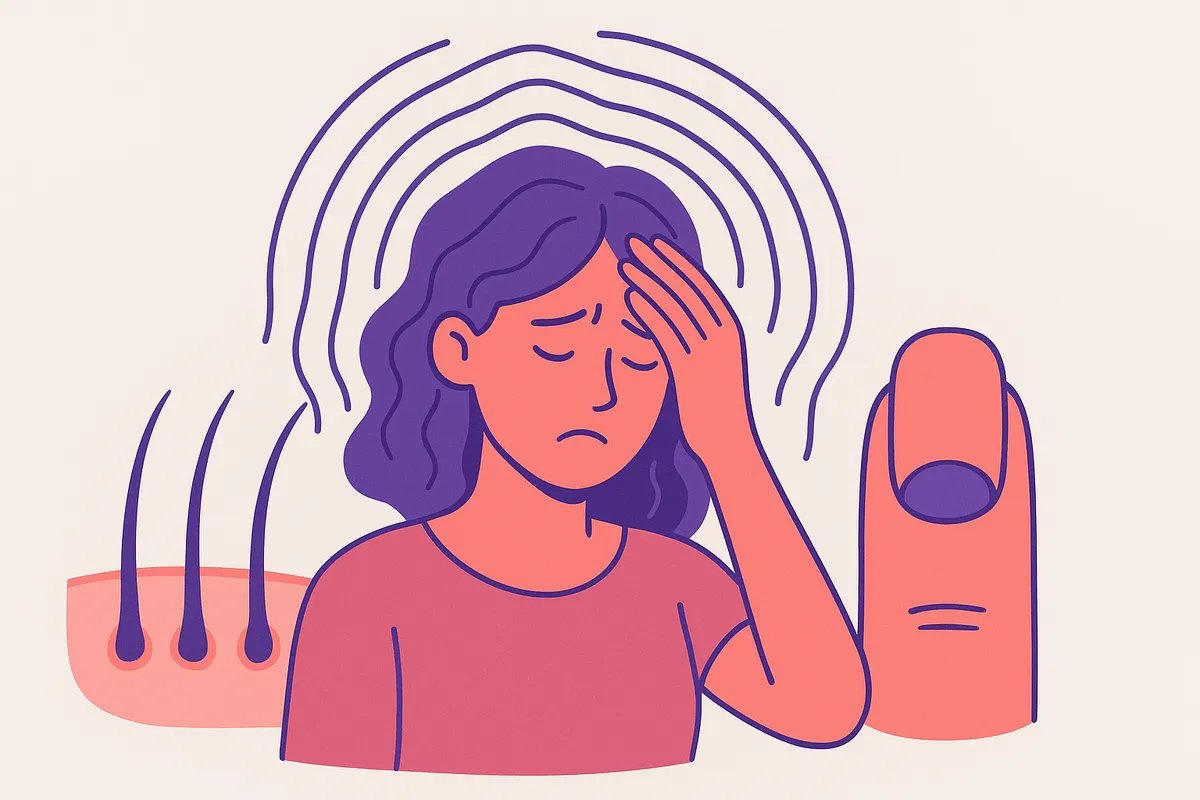


The connection between stress and your nails is more than anecdotal — it's physiological. Chronic stress triggers hormonal cascades that directly affect the nail matrix, hair follicles, and skin barrier.
If your nails have started ridging, breaking, or developing unusual marks during a stressful period, here's what's happening and what you can do about it.
Key Takeaways
- Chronic stress triggers cortisol release, which diverts blood flow away from nails and hair follicles
- Stress can cause Beau's lines (horizontal grooves), increased brittleness, and telogen effluvium
- Nail biting/picking (body-focused repetitive behaviors) worsen under stress and cause direct damage
- Stress depletes magnesium, B vitamins, vitamin C, and zinc faster than normal
- Recovery takes 3-6 months after the stressor resolves — one full nail growth cycle
How Stress Affects Your Nails
The Cortisol Effect
When you're stressed, your adrenal glands produce cortisol. Elevated cortisol:
- Diverts blood flow away from "non-essential" tissues (including nail matrix and hair follicles)
- Increases inflammation that disrupts keratinocyte function
- Impairs nutrient absorption (zinc, iron, B vitamins)
- Suppresses immune function (increasing susceptibility to fungal nail infections)
Telogen Effluvium
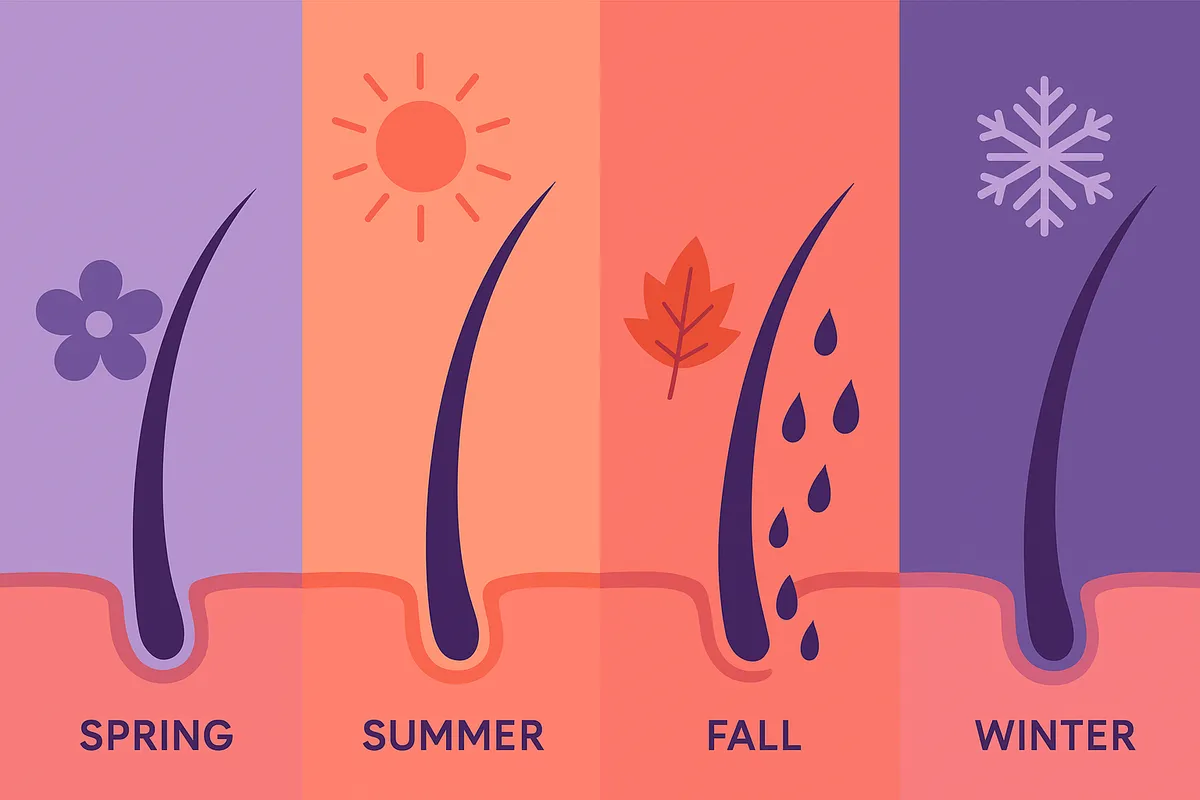
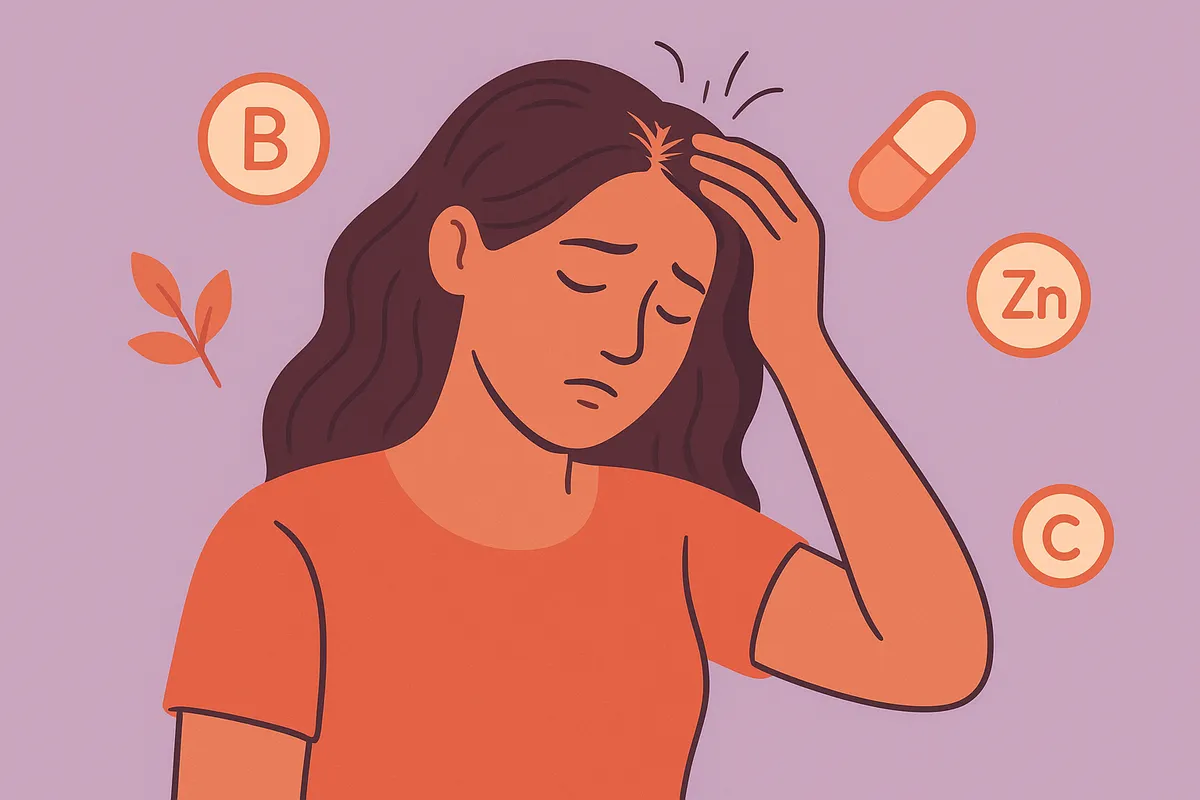
Acute stress can trigger telogen effluvium — sudden hair shedding 2-3 months after a stressful event. The same mechanism affects nail growth, producing Beau's lines (horizontal grooves) that appear weeks to months after the stressor.
Nail Picking and Biting
Stress-related nail habits (onychophagia — nail biting; onychotillomania — nail picking) cause direct physical damage to the nail plate and cuticle. These are body-focused repetitive behaviors that often worsen under stress.
Stress-Related Nail Changes
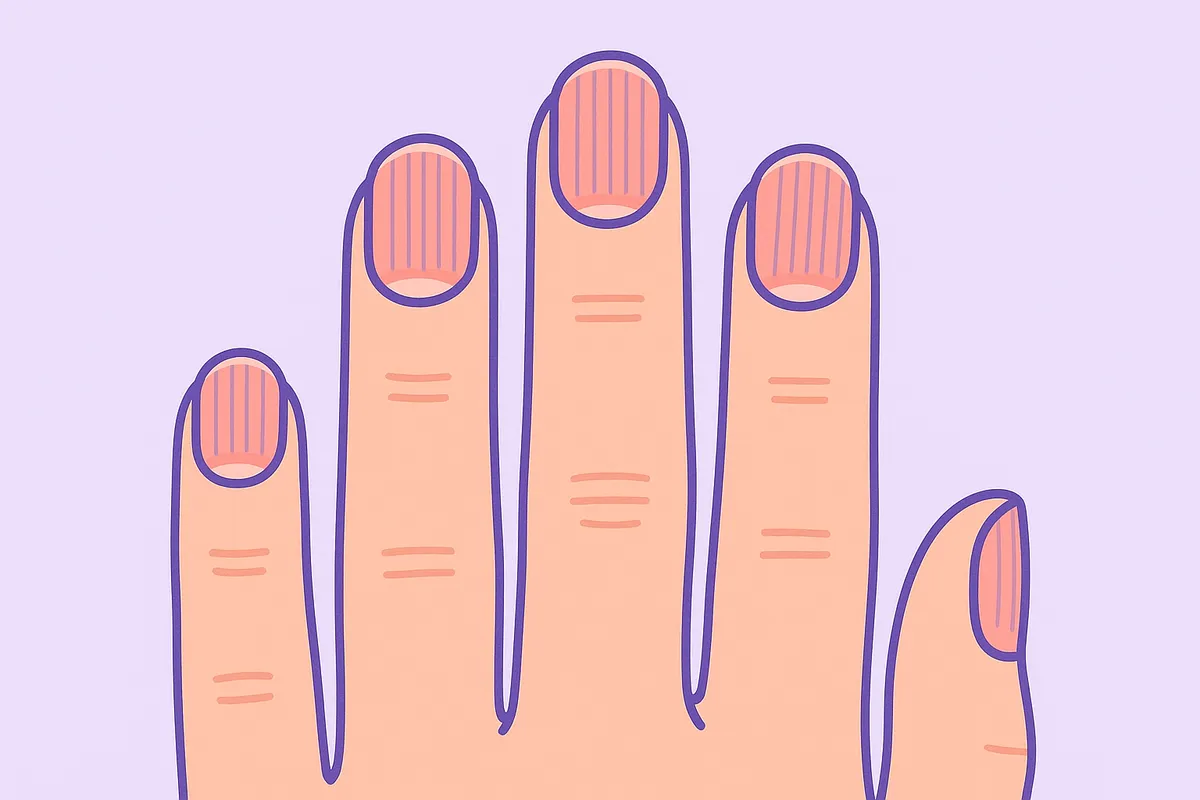
- Beau's lines — horizontal grooves indicating a period of disrupted growth
- Increased brittleness — stress-induced nutrient depletion weakens nail structure
- White spots — may appear more frequently during stressful periods
- Slowed growth — reduced blood flow to nail matrix
- Nail biting damage — ragged, short, damaged nail plates
- Cuticle damage — from picking, leading to possible paronychia (infection)
What You Can Do
Address the Stress (Root Cause)
This is obvious but essential. Effective stress management techniques with evidence:
- Regular exercise — 30 minutes, 5x/week reduces cortisol
- Sleep hygiene — 7-9 hours; cortisol regulation depends on circadian rhythm
- Meditation/mindfulness — even 10 minutes daily shows measurable cortisol reduction
- Social connection — isolation amplifies stress hormones
- Professional support — therapy (CBT is well-studied for stress management)
Nutritional Support
Stress depletes specific nutrients faster:
- Magnesium — "the relaxation mineral," often depleted under stress. 200-400mg glycinate daily
- B-complex vitamins — stress increases B-vitamin metabolism
- Vitamin C — consumed rapidly during stress response. 200-500mg daily
- Zinc — stress increases zinc excretion
- Omega-3s — reduce inflammatory response to stress
Nail-Specific Care During Stressful Periods
- Keep nails trimmed short to reduce temptation to bite
- Apply cuticle oil frequently — maintains hydration when stress dries nails
- Use a bitter-tasting nail polish to discourage biting
- Consider fidget tools as a nail-biting replacement
For Nail Biting/Picking (Body-Focused Repetitive Behaviors)
If you can't stop despite wanting to, this isn't a willpower issue. Effective approaches include:
- Habit reversal training (HRT) — structured behavioral therapy
- CBT — cognitive behavioral therapy for body-focused repetitive behaviors
- N-acetyl cysteine (NAC) — some evidence for reducing compulsive behaviors (1,200-2,400mg daily, consult your provider)