Postpartum Hair Loss & Brittle Nails: What's Happening and What Actually Helps
Postpartum hair shedding affects up to half of new mothers. Learn why it happens, when it stops, which supplements are safe while breastfeeding, and what actually speeds recovery.
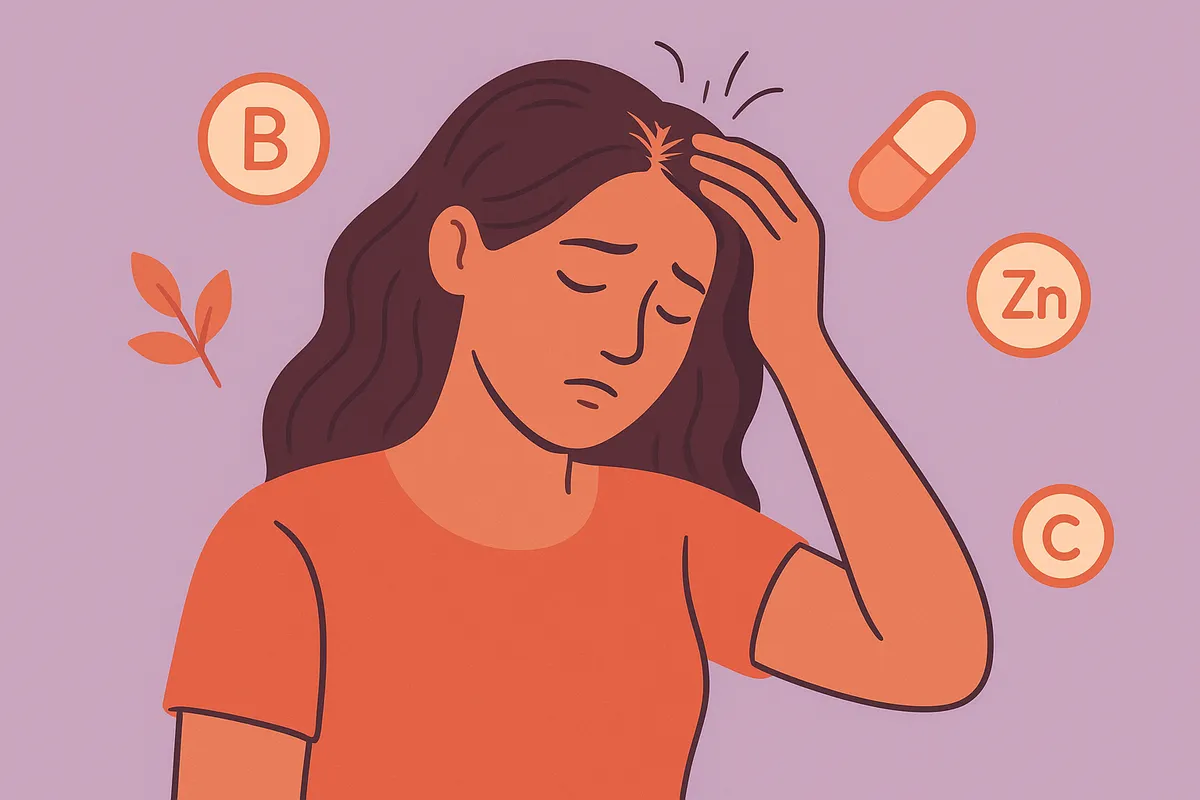
You survived pregnancy, made it through delivery, and now — three months later — your hair is coming out in handfuls. Your nails are peeling. And no one warned you this would happen.
Postpartum hair loss is startlingly common, affecting up to one-third to one-half of new mothers [1]. Yet it remains one of the least discussed postpartum changes. Here's what's actually happening, why it's (usually) temporary, and what evidence-based steps you can take to support recovery.
Key Takeaways
Postpartum hair shedding is caused by falling estrogen, not nutrient deficiency — though deficiency can worsen it
Peak shedding occurs 2-4 months after delivery and resolves by 12 months for most women
Iron (ferritin) is the single most important nutrient to check postpartum
Most hair and nail supplements are safe while breastfeeding, but high-dose biotin and saw palmetto should be avoided
Your hair WILL come back — this is temporary, even though it doesn't feel like it
Who Should Read This
New mothers experiencing hair shedding or nail changes in the months after delivery. Also relevant if you're pregnant and want to prepare, or if postpartum shedding seems excessive or hasn't resolved after 12 months.
Why Postpartum Hair Loss Happens
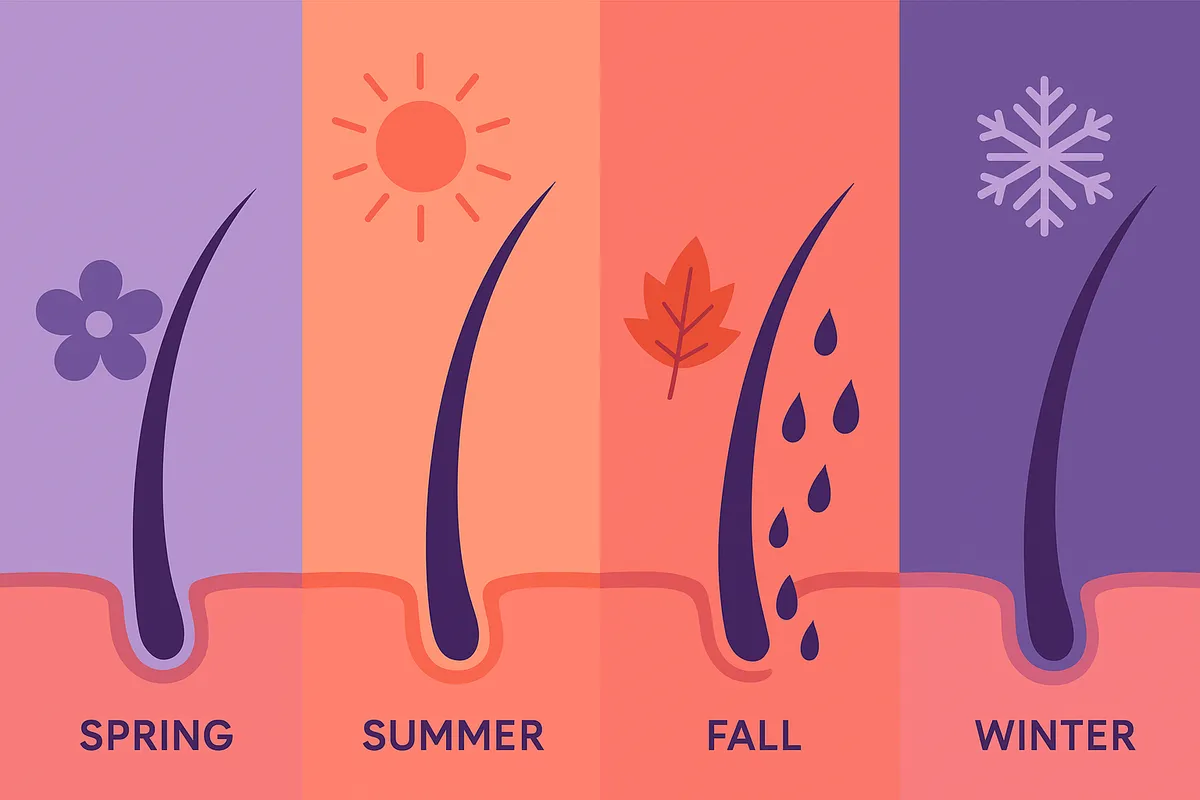
During pregnancy, elevated estrogen levels extend the growth phase (anagen) of your hair cycle. This is why many women experience thicker, fuller hair while pregnant — your hair is literally skipping its normal shedding phase.
After delivery, estrogen levels plummet. All those hairs that should have been shed over the past 9 months suddenly and synchronously enter the resting (telogen) and shedding (exogen) phases [2]. This synchronized shedding is called telogen effluvium.
It's not that you're losing extra hair — you're losing the hair you would have normally shed during pregnancy, just all at once. Understanding this distinction is important: your hair follicles aren't damaged, and new growth is already beginning even while the shedding looks alarming.
The Timeline: What to Expect
Month 1-2 postpartum: Hormone levels dropping, hair cycle shifting. You may not notice anything yet.
Month 2-4: Peak shedding begins — this is when most women notice dramatic hair loss. Handfuls in the shower, clogged drains, hair on your pillow.
Month 4-8: Shedding gradually decreases. You may notice short "baby hairs" at your hairline — this is new growth.
Month 8-12: New growth becomes visible; most women feel their hair returning to normal.
Month 12-15: Full recovery for most women. Hair density approaches pre-pregnancy levels.
When to worry: If your hair hasn't improved by 12 months postpartum, or if shedding worsens after 6 months, see your doctor. This may indicate an underlying condition like thyroid dysfunction (postpartum thyroiditis affects 5-10% of women) or iron deficiency that's compounding the normal postpartum shedding [4, 5].
Wondering if a deficiency is affecting your nails?
Take our 2-minute Nail Health Quiz for a personalized assessment and supplement recommendations.
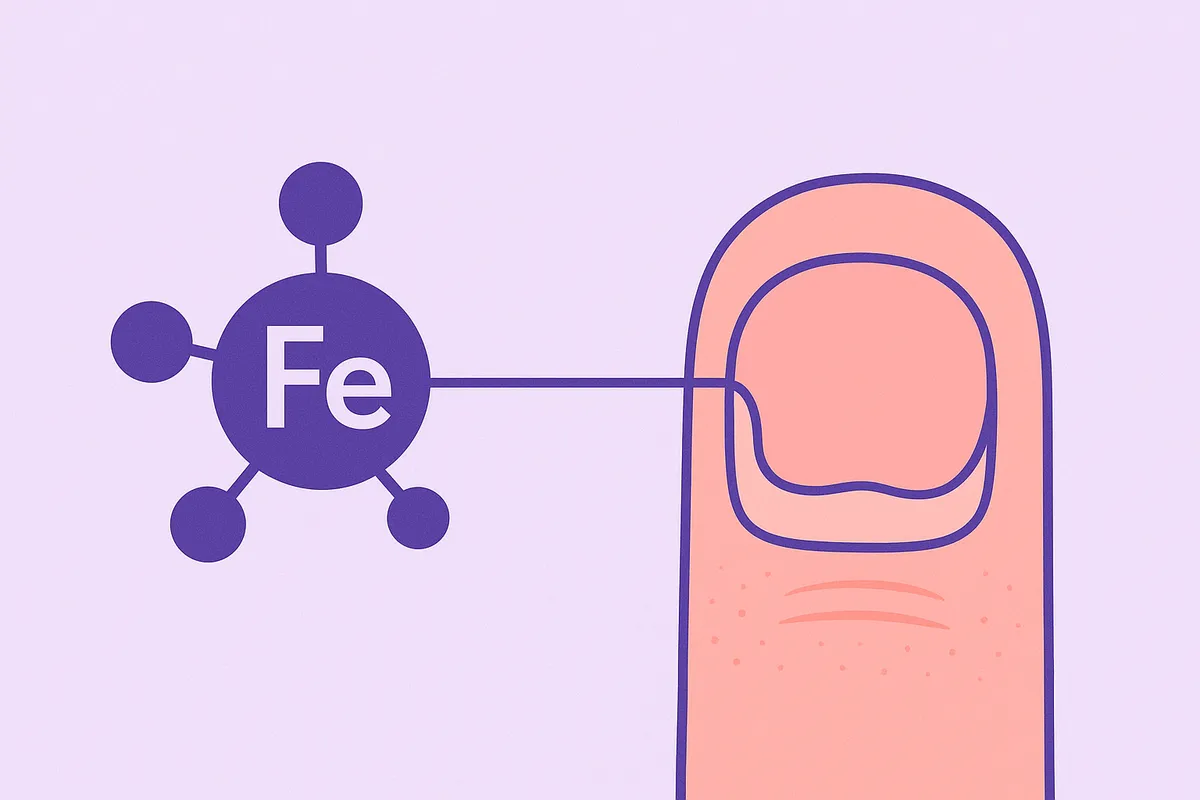
Brittle, peeling, ridged nails are a common but under-discussed postpartum complaint. The mechanisms are similar: hormonal shifts disrupt keratin production, and nutrient stores (especially iron, zinc, and calcium) may be depleted from pregnancy and breastfeeding.
Beau's lines (horizontal grooves) can appear 2-3 months after delivery, reflecting the physiological stress of labor. These grow out on their own within 6-9 months.
The Nutrient Factor: What to Check
While postpartum telogen effluvium is hormonally driven, nutritional deficiencies can significantly worsen and prolong it:
Iron (Ferritin) — The Most Important Test
Pregnancy depletes iron stores dramatically, and blood loss during delivery compounds the problem. Iron deficiency is the most common nutritional cause of hair loss in premenopausal women [4]. A systematic review found that serum ferritin levels below 30 ng/mL are strongly associated with telogen effluvium [5, 6].
Critical point: Many doctors consider ferritin "normal" at 12+ ng/mL. But hair health requires levels above 30-40 ng/mL. Ask specifically for your ferritin number, not just whether it's "in range."
Vitamin D
Deficiency is extremely common postpartum, especially if you delivered in winter or have darker skin. Low vitamin D is associated with hair loss and slower recovery. Target 40-60 ng/mL.
Zinc
Breast milk contains significant zinc, depleting maternal stores. Zinc deficiency contributes to hair shedding and brittle nails.
Protein
Breastfeeding increases protein needs. Hair is made of protein (keratin), and inadequate intake can prolong shedding. Aim for 70-100g daily.
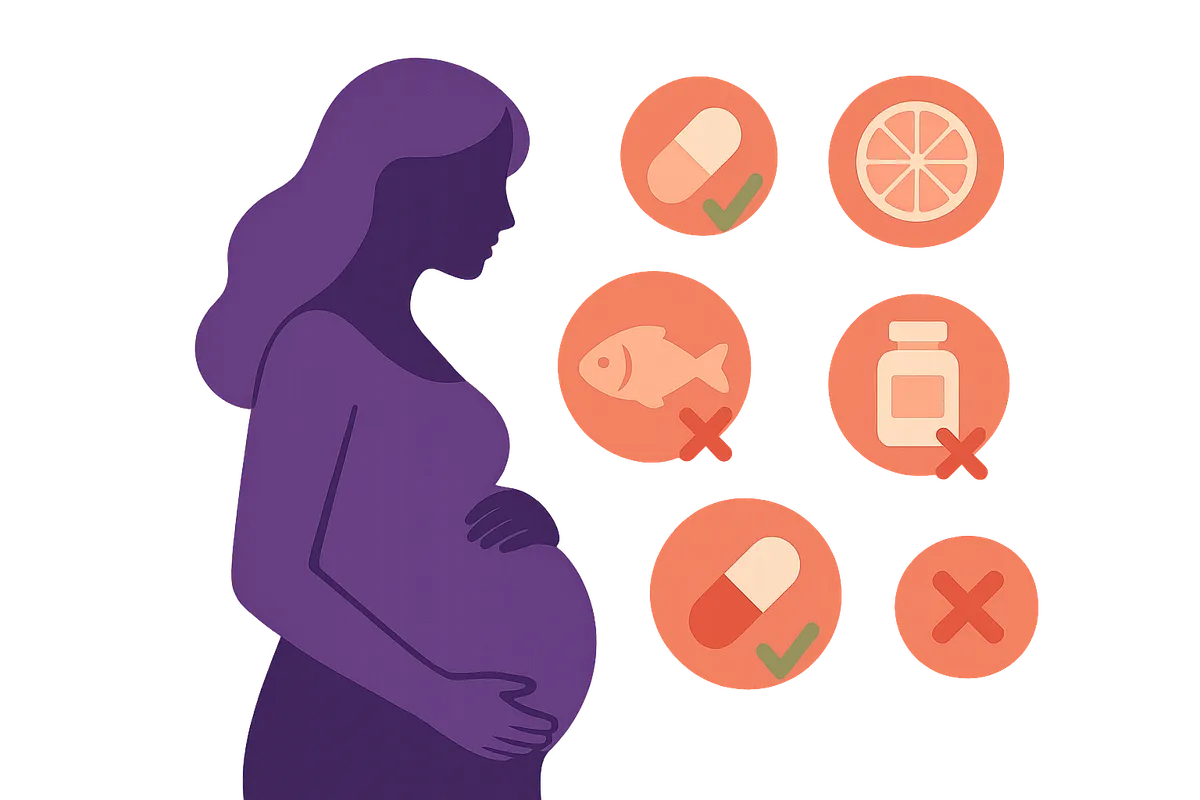
Supplements Safe While Breastfeeding
Safe
Iron bisglycinate (if ferritin <40 ng/mL) — preferred form for absorption and tolerance
Vitamin D3 (1,000-4,000 IU daily) — check levels first
Collagen peptides (2.5-5g daily) — amino acids for keratin support. A clinical trial found 42% reduction in nail breakage [7]
Omega-3 (DHA/EPA) — anti-inflammatory, supports mood and scalp health
Continue your prenatal — it's your nutritional foundation
Avoid
High-dose biotin (>5,000 mcg) — interferes with lab tests that may be needed postpartum (thyroid, hCG)
Saw palmetto — anti-androgenic effects, not safe during breastfeeding
High-dose vitamin A (retinol) — above 10,000 IU is potentially toxic. Beta-carotene form is safe
Gentle hair care — avoid tight hairstyles (ponytails worsen traction on weakened follicles), reduce heat styling, use a wide-tooth comb on wet hair
Manage stress — easier said than done with a newborn, but chronic stress prolongs shedding via cortisol effects on hair follicles
Be patient — this is the hardest part, but postpartum shedding is temporary for the vast majority of women
Frequently Asked Questions
Is postpartum hair loss preventable?
Not entirely — the hormonal shift is inevitable. But maintaining strong nutrient levels (especially iron) before and during pregnancy may reduce the severity. Continuing your prenatal vitamin postpartum is one of the simplest preventive steps.
Does breastfeeding make hair loss worse?
Not directly, but breastfeeding increases nutrient demands (especially iron, zinc, calcium, and protein). If these aren't replenished through diet or supplements, the added depletion can prolong shedding beyond the normal timeline.
When should I see a dermatologist vs. my OB-GYN?
Start with your OB-GYN — they can check thyroid function and iron levels, which cover the most common compounding causes. See a dermatologist if shedding persists beyond 12 months, is patchy rather than diffuse, or is accompanied by scalp changes (redness, scaling, pain).
Can I use minoxidil postpartum?
Minoxidil is not recommended while breastfeeding — it can be absorbed systemically and potentially transferred through breast milk. Discuss timing with your doctor if you're considering it after weaning.
The Bottom Line: Postpartum hair loss is normal, temporary, and caused by hormonal shifts — not failure on your part. Get your ferritin checked (target >30 ng/mL), continue your prenatal, eat adequate protein, and give your body 12 months to recover. If shedding persists beyond a year, seek evaluation for thyroid or iron issues.
This article was medically reviewed for accuracy and completeness. Last updated: January 2026.
Disclaimer:This article is for informational purposes only and does not constitute medical advice. Always consult with a qualified healthcare provider before starting any supplement regimen.
Written by Dr. Amanda Foster & reviewed by Dr. Marcus Chen
Not sure which supplement is right for you?
Take our 2-minute Vitamin Finder quiz and get personalized recommendations based on your profile.