Pregnancy-Safe Nail & Hair Supplements: What's Approved, What to Avoid
Not all hair and nail supplements are safe during pregnancy. This trimester-by-trimester guide covers what's safe, what needs caution, and what to avoid entirely while pregnant or breastfeeding.
Growing a baby depletes your nutrient stores in ways that show up in your hair and nails. But navigating supplement safety during pregnancy and breastfeeding is genuinely complicated — most supplements aren't tested in pregnant populations, and labeling requirements don't mandate pregnancy warnings.
This guide breaks down which hair and nail supplements are considered safe during pregnancy, which require caution, and which should be avoided entirely.
Key Takeaways
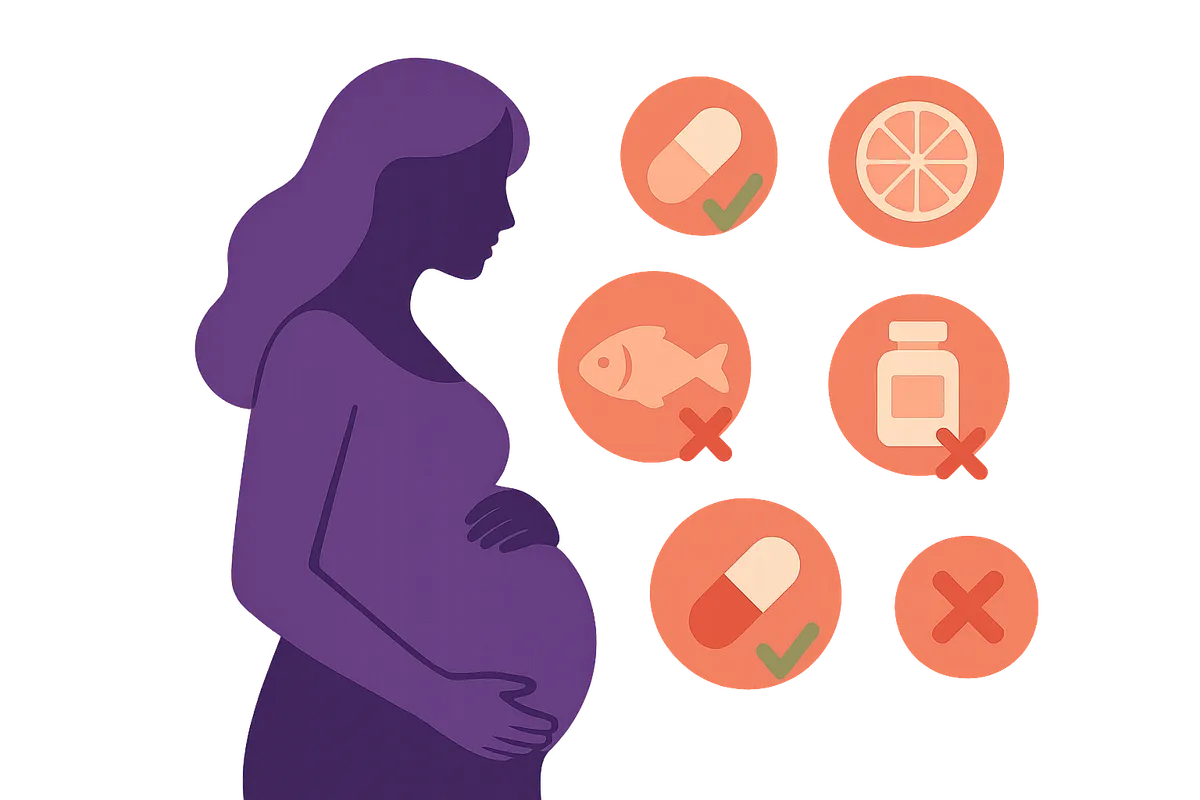
Your prenatal vitamin is the foundation — add individual supplements only if blood work shows a need
Iron, vitamin D, omega-3, and collagen are generally safe during pregnancy and breastfeeding
Saw palmetto and high-dose vitamin A (retinol) should be strictly avoided — potential for birth defects
Always consult your OB-GYN before adding any supplement during pregnancy
Who Should Read This
Pregnant women noticing hair or nail changes, postpartum mothers considering supplements while breastfeeding, or anyone planning pregnancy who wants to prepare their nutrient status.
Why Hair and Nail Changes Happen During Pregnancy
Pregnancy dramatically alters your nutritional needs. Your body prioritizes the baby, often at the expense of your hair, skin, and nails:
Iron stores deplete — blood volume increases 40-50%, demanding more iron
Biotin metabolism increases — pregnant women metabolize biotin faster, with marginal deficiency detected in up to 50% of pregnancies
Calcium is redirected — skeletal development requires significant maternal calcium
Hormonal shifts — elevated estrogen initially improves hair, but the postpartum crash causes dramatic shedding
Safe: Green Light Supplements
These supplements are generally recognized as safe during pregnancy and breastfeeding at recommended doses:
Prenatal Multivitamin
Your foundation. A quality prenatal covers most nutritional bases including folate, iron, iodine, and vitamin D. Always take a prenatal before adding individual supplements — you may already have adequate levels.
Iron (if deficient)
Essential during pregnancy and the most common deficiency. Iron bisglycinate is preferred — better absorbed, fewer GI side effects than ferrous sulfate. Dose: as directed by your OB-GYN based on ferritin levels.
Vitamin D
Safe at 1,000-4,000 IU daily. Most prenatals contain 400-1,000 IU, which may not be enough if you're deficient. Have levels checked.
Omega-3 (DHA/EPA)
Safe and beneficial — supports fetal brain development and may help with postpartum mood. Fish oil or algal DHA, 200-300mg DHA daily. Choose brands tested for mercury and PCBs.
Collagen Peptides
Generally considered safe, though not extensively studied in pregnancy. Hydrolyzed collagen is simply protein (amino acids) and poses no known risk. Discuss with your provider.
Wondering if a deficiency is affecting your nails?
Take our 2-minute Nail Health Quiz for a personalized assessment and supplement recommendations.
Small doses (30-300 mcg) in your prenatal are fine. High-dose biotin (5,000+ mcg) marketed for hair/nails poses a specific risk: it interferes with lab tests, including thyroid panels and hCG (pregnancy hormone). Since these tests are critical during pregnancy, high-dose biotin could cause dangerous diagnostic errors.
Zinc
Important for fetal development, but excess zinc (>40mg daily) can interfere with copper absorption and iron status. Your prenatal likely contains 11-15mg — usually sufficient.
Vitamin C
Safe at normal doses (85mg RDA during pregnancy). Megadoses (>2,000mg) may cause GI distress and theoretically affect fetal development.
Avoid: Red Light During Pregnancy
High-Dose Vitamin A (Retinol)
Preformed vitamin A (retinol) above 10,000 IU daily is teratogenic — it can cause birth defects. Beta-carotene form is safe, as the body regulates conversion. Check that your prenatal uses beta-carotene, not retinyl palmitate in high doses.
Saw Palmetto
Anti-androgenic effects can cause genital abnormalities in male fetuses. Found in many hair loss supplements — check labels carefully.
High-Dose Biotin (>5,000 mcg)
Lab test interference risk during a time when accurate diagnostics are critical.
Herbal "Hair Growth" Blends
Many contain unstudied botanicals. If the supplement contains ingredients you can't identify, skip it during pregnancy.
Trimester-by-Trimester Guide
Trimester
Priority Nutrients
Hair/Nail Notes
First
Folate, iron, vitamin D
Hair may improve (estrogen rising). Focus on prenatal + iron
Second
Iron, calcium, DHA
Nails may become brittle. Ensure adequate protein intake
Third
Iron, calcium, vitamin D
Hair still holding well. Build nutrient reserves for postpartum
Postpartum
Iron, vitamin D, collagen, omega-3
Shedding begins months 2-4. See our postpartum hair loss guide
The Bottom Line
Your prenatal vitamin is your foundation. Before adding anything else:
Take a quality prenatal consistently
Get blood work to identify actual deficiencies
Discuss specific supplements with your OB-GYN
Avoid unregulated herbal blends and megadose formulas
Remember: your hair and nails will likely recover on their own after pregnancy
This article is for educational purposes only. Always consult your OB-GYN or midwife before taking any supplement during pregnancy or breastfeeding.
Frequently Asked Questions
Can I take biotin while pregnant?
Low-dose biotin (30-300mcg) in your prenatal is fine. High-dose biotin (5,000+ mcg) is not recommended during pregnancy because it interferes with lab tests including hCG (pregnancy hormone) and thyroid panels, which are monitored throughout pregnancy. Inaccurate results could lead to missed or incorrect diagnoses.
Is collagen safe during pregnancy?
Hydrolyzed collagen peptides are generally considered safe — they're simply protein broken down into amino acids. However, there are no large-scale pregnancy-specific safety studies. Discuss with your OB-GYN before starting, and choose a product with third-party testing for purity.
When should I start prenatal vitamins?
Ideally 3 months before conception. Folate is critical in the first 4 weeks of pregnancy (often before you know you're pregnant). If you're planning pregnancy, starting early ensures adequate nutrient stores for both you and the baby.
The Bottom Line: Start with your prenatal vitamin and don't add supplements without consulting your OB-GYN. Get blood work to identify actual deficiencies. Stick to proven-safe options (iron, vitamin D, omega-3) and avoid anything with anti-hormonal effects or mega-dose fat-soluble vitamins.
This article was medically reviewed for accuracy and completeness. Last updated: January 2026.
Disclaimer:This article is for informational purposes only and does not constitute medical advice. Always consult with a qualified healthcare provider before starting any supplement regimen.
Written by Dr. Amanda Foster & reviewed by Dr. James Whitfield
Not sure which supplement is right for you?
Take our 2-minute Vitamin Finder quiz and get personalized recommendations based on your profile.