Iron + calcium cancel each other out. Vitamin C boosts iron absorption. Know which supplements to combine, which to separate, and the timing that matters.
Taking multiple supplements without understanding their interactions is like mixing medications without reading the labels. Some combinations enhance absorption. Others cancel each other out. A few can be genuinely harmful.
Here's your guide to the most important vitamin and mineral interactions — what to combine, what to separate, and what to avoid entirely.
Key Takeaways
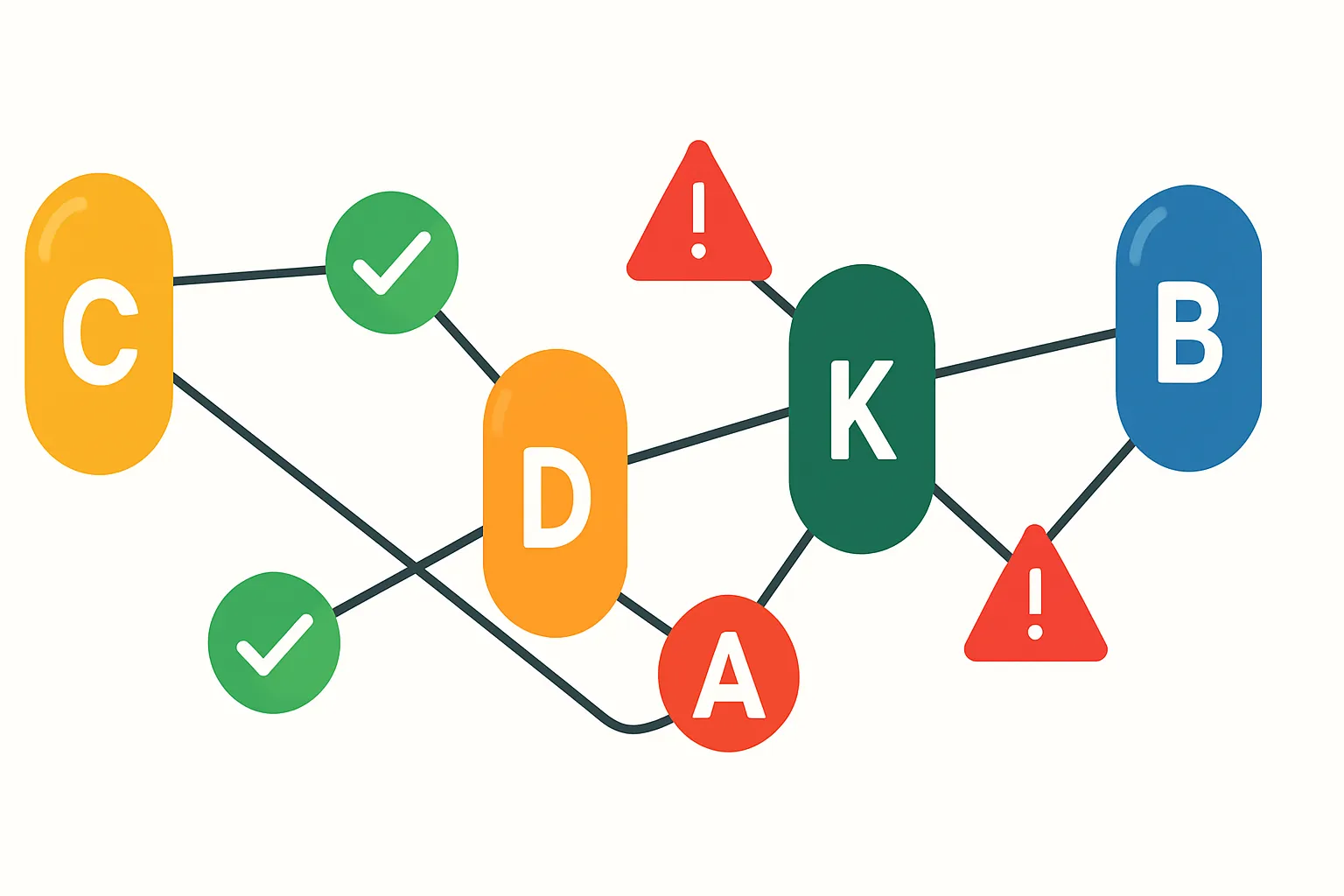
Iron + calcium should never be taken together — calcium inhibits iron absorption by up to 50%
Vitamin C boosts non-heme iron absorption by 2-3x — always pair them
High-dose zinc (>40mg daily) depletes copper over time — monitor or supplement copper alongside
Fat-soluble vitamins (A, D, E, K) must be taken with a meal containing fat for proper absorption
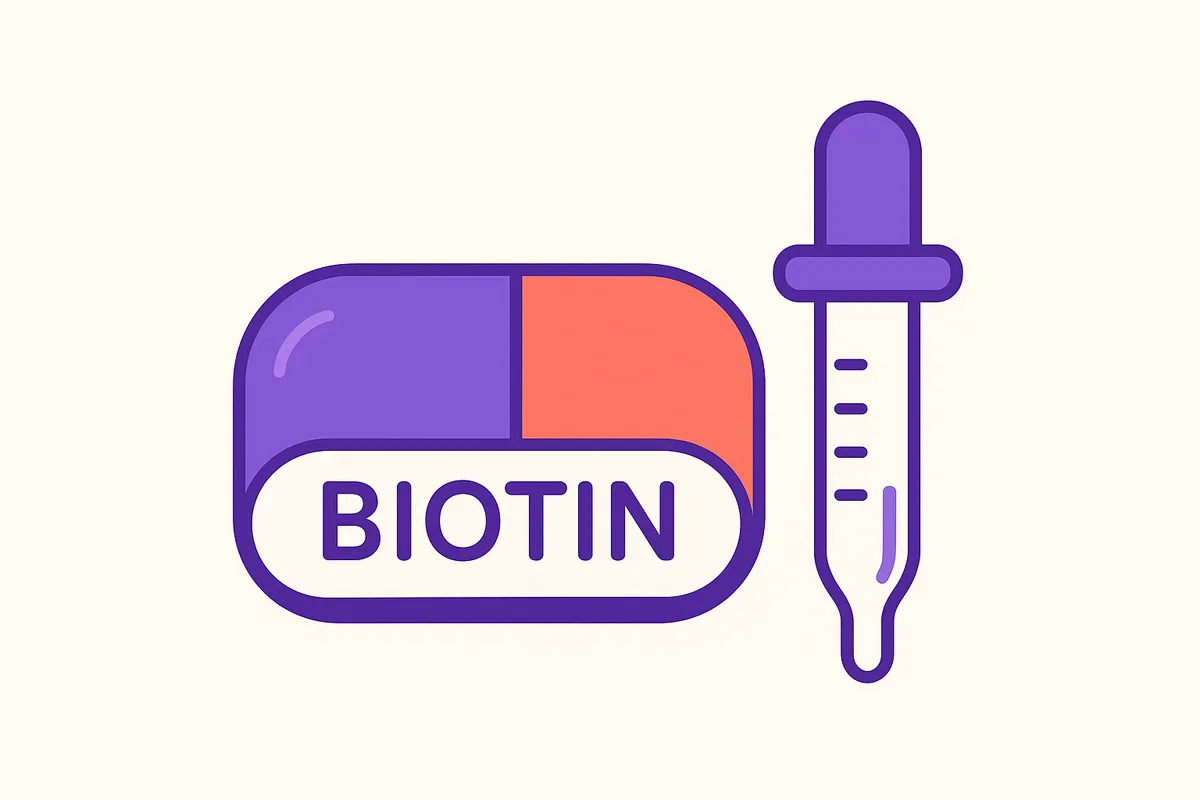
Biotin above 1,000 mcg interferes with lab tests — stop 48-72 hours before any blood work
Beneficial Combinations (Take Together)
Iron + Vitamin C
Vitamin C increases non-heme iron absorption by 2-3x by converting ferric iron to the more absorbable ferrous form. Take 100-200mg vitamin C with your iron supplement, or pair iron-rich foods with citrus.
Vitamin D + Fat
Vitamin D is fat-soluble — absorption increases significantly when taken with a meal containing fat. This applies to vitamins A, E, and K as well.
Vitamin D + Calcium
Vitamin D enhances calcium absorption in the gut. If you're supplementing calcium, vitamin D makes it significantly more effective. However, both should be taken separately from iron.
Collagen + Vitamin C
Vitamin C is a required cofactor for collagen synthesis. Taking vitamin C alongside collagen peptides may enhance the body's ability to use those amino acids for building new collagen and keratin.
Harmful Combinations (Separate or Avoid)
Iron + Calcium
Calcium inhibits iron absorption by up to 50%. If you take both, separate them by at least 2 hours. Take iron in the morning, calcium in the evening.
Iron + Zinc
These minerals compete for the same absorption pathways. Taking them together reduces absorption of both. Separate by 2 hours.
Zinc + Copper (Long-term)
Zinc supplementation above 40mg daily can cause copper deficiency over time. If supplementing zinc long-term (>8 weeks), consider a supplement that includes a small amount of copper (1-2mg) or monitor copper levels.
Iron + Coffee/Tea
Tannins in coffee and tea can reduce iron absorption by 50-90%. Wait at least 1 hour after taking iron before drinking coffee or tea.
Calcium + Thyroid Medication
Calcium interferes with levothyroxine absorption. Take thyroid medication 4 hours apart from calcium supplements.
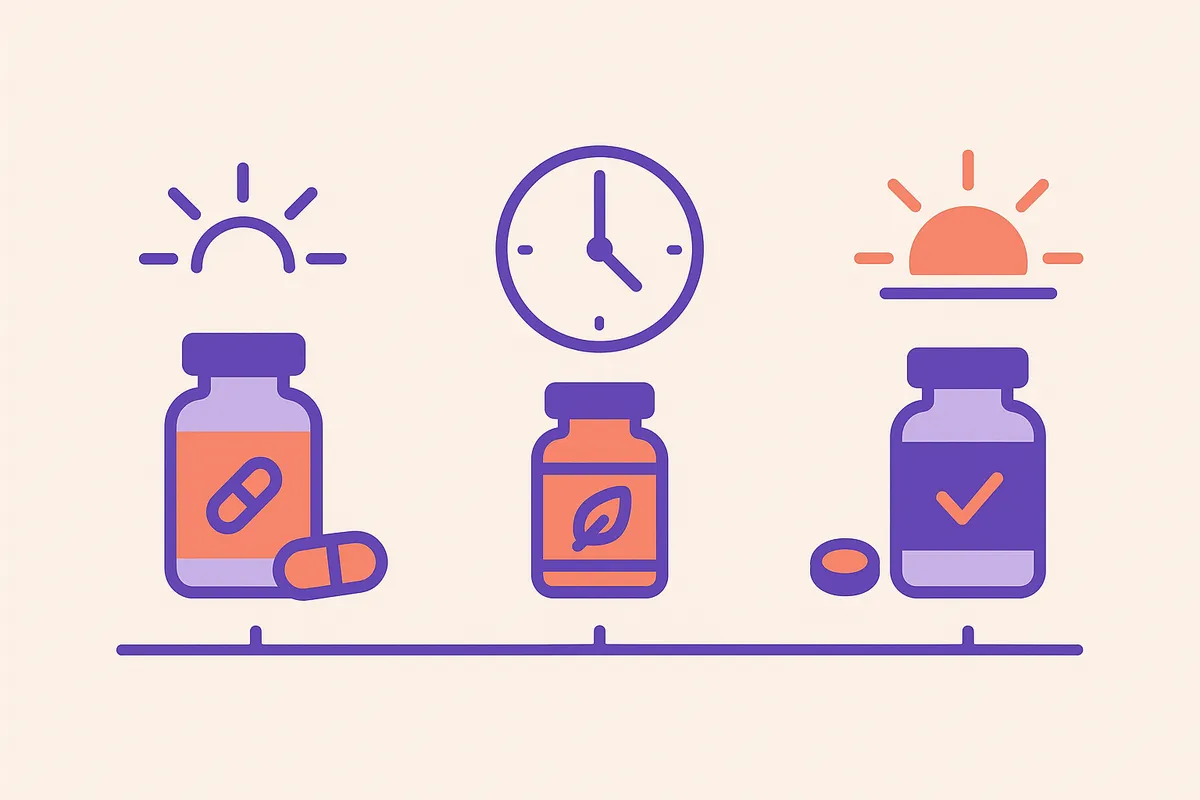
Timing Guide
Supplement
Best Time
With Food?
Separate From
Iron
Morning, empty stomach
Optional (with food if GI upset)
Calcium, zinc, coffee, tea, dairy
Calcium
Evening
With food
Iron, zinc, thyroid meds
Zinc
With food (reduces nausea)
Yes
Iron, calcium
Vitamin D
Any meal with fat
Yes
—
Biotin
Any time
Optional
— (but stop 48-72h before blood work)
Collagen
Any time
Optional
—
B-Complex
Morning (energy boost)
With food
—
Omega-3
With largest meal
Yes (reduces fishy burps)
—
Magnesium
Evening (may aid sleep)
With food
—
Wondering if a deficiency is affecting your nails?
Take our 2-minute Nail Health Quiz for a personalized assessment and supplement recommendations.
This isn't a vitamin-vitamin interaction, but it's critical: high-dose biotin (>1,000 mcg) interferes with immunoassay-based lab tests, causing false results for troponin, thyroid hormones, vitamin D, and more. Stop biotin 48-72 hours before any blood work.
Supplement-Drug Interactions to Watch
Biotin + lab tests — false results (see above)
Zinc + antibiotics (tetracycline, quinolones) — take 2 hours apart
Iron + antacids/PPIs — reduced iron absorption
Vitamin K + blood thinners (warfarin) — counteracts anticoagulation
St. John's Wort + birth control — reduces contraceptive efficacy
Calcium + bisphosphonates (osteoporosis drugs) — separate by 2 hours
Simple Rules
Fat-soluble vitamins (A, D, E, K): Take with food containing fat
Iron: Take alone, morning, with vitamin C
Calcium: Take separately from everything else, evening
When in doubt: Separate by 2 hours
Tell your pharmacist about all supplements when getting prescriptions
This article is for educational purposes only. Consult your pharmacist or healthcare provider about specific supplement-drug interactions.
Frequently Asked Questions
Which vitamins should never be taken together?
Iron and calcium are the most important pair to separate — calcium reduces iron absorption by up to 50%. Iron and zinc also compete for the same pathways. Take iron in the morning with vitamin C, and calcium in the evening with vitamin D. If you take both iron and zinc, separate by at least 2 hours.
Can supplement interactions actually be dangerous?
Most interactions just reduce absorption (wasting money, not causing harm). But some are genuinely dangerous: vitamin K counteracts warfarin (blood thinner), St. John's Wort reduces birth control efficacy, and long-term high-dose zinc causes copper deficiency anemia. Always tell your pharmacist about all supplements when getting prescriptions.
Do I need to separate all my supplements?
No — most can be taken together. The main separations needed: iron from calcium/zinc/coffee (2 hours), calcium from thyroid medication (4 hours). Fat-soluble vitamins (A, D, E, K) should be with a fatty meal. B vitamins, collagen, omega-3, and magnesium can be taken with other supplements without issues.
What's the best daily supplement schedule?
Morning: iron + vitamin C (empty stomach), B-complex with breakfast. Midday: vitamin D + K2 with a fatty lunch. Evening: calcium with dinner, magnesium at bedtime. This schedule avoids all major interactions while keeping things practical.
The Bottom Line: Supplement interactions matter more than most people realize. The critical rules: separate iron from calcium and zinc (2 hours), take fat-soluble vitamins with fat, pair iron with vitamin C, and stop biotin before blood work. Get these basics right, and you'll absorb more of what you're paying for.
This article was medically reviewed for accuracy and completeness. Last updated: January 2026.
Disclaimer:This article is for informational purposes only and does not constitute medical advice. Always consult with a qualified healthcare provider before starting any supplement regimen.
Written by Dr. James Whitfield & reviewed by Dr. Robert Langford
Not sure which supplement is right for you?
Take our 2-minute Vitamin Finder quiz and get personalized recommendations based on your profile.